
A parking lot does more than provide space for vehicles—it shapes the first impression of your property. Whether you manage a retail center, office building, or apartment complex, your parking lot is one of the most used and most visible areas. Over time, constant traffic, weather exposure, and neglect can turn a smooth surface into a cracked and worn-out space. That’s why proper maintenance is not optional—it’s essential.
Many property owners wait until serious damage appears before taking action. Unfortunately, by then, repairs become more expensive and time-consuming. The good news is that with a proactive approach, you can extend the life of your parking lot paving and avoid major issues. By understanding simple maintenance steps and staying consistent, you can protect your investment and keep your property looking professional year-round.
Start With Regular Inspections
Routine inspections are the foundation of effective parking lot maintenance. By checking your pavement regularly, you can identify small problems before they turn into costly repairs. Look for cracks, potholes, fading lines, and drainage issues.
In addition, inspections help you track how your pavement changes over time. This allows you to plan maintenance activities more effectively. Instead of reacting to damage, you stay ahead of it. A simple monthly walk-through can save you thousands of dollars in the long run.
Keep the Surface Clean and Debris-Free
Cleanliness plays a bigger role in pavement longevity than many people realize. Dirt, leaves, and debris can trap moisture, which weakens the asphalt over time. Regular sweeping helps prevent this buildup and keeps the surface in good condition.
Furthermore, oil and chemical spills should be cleaned as soon as possible. These substances can break down the asphalt binder, leading to soft spots and damage. By maintaining a clean surface, you protect both the structure and appearance of your parking lot.
Sealcoating: Your First Line of Defense
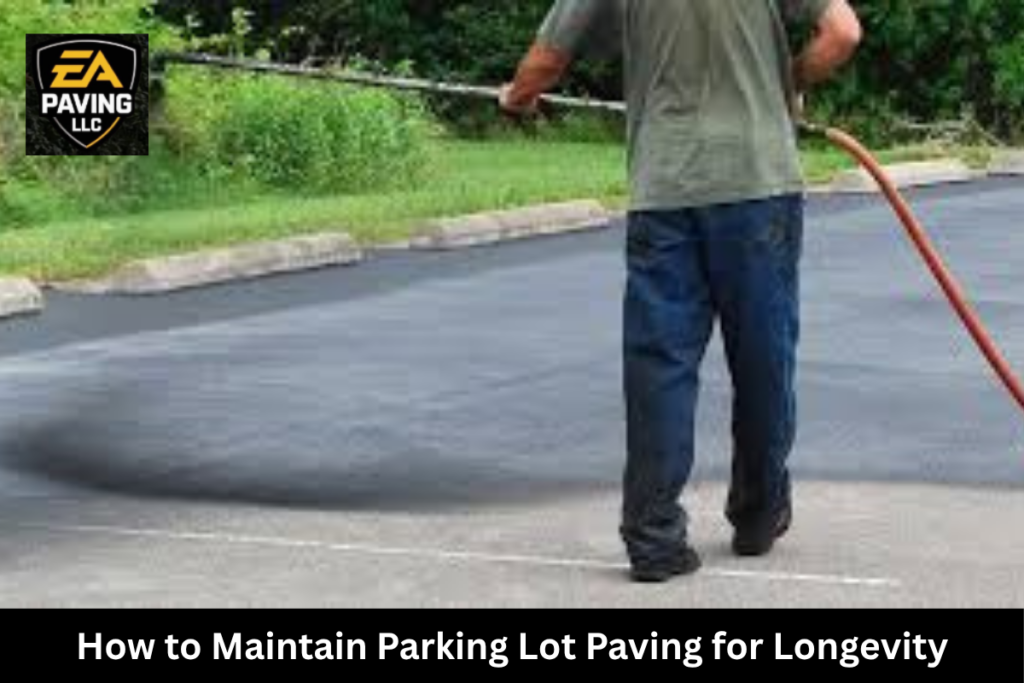
Sealcoating is one of the most effective ways to extend the life of your parking lot. It adds a protective layer that shields the asphalt from UV rays, water, and chemicals. Without this protection, the surface can dry out, crack, and deteriorate quickly.
For best results, sealcoating should be done every 2 to 3 years, depending on traffic and weather conditions. This simple step not only protects the pavement but also restores its rich black appearance, making your property look well-maintained and inviting.
Address Cracks Before They Spread
Cracks may seem minor at first, but they can quickly lead to bigger problems. Water can seep into these openings, weakening the base layer and causing further damage. Over time, small cracks can turn into potholes if left untreated.
That’s why crack sealing is a critical part of maintenance. By filling cracks early, you prevent water infiltration and extend the life of your pavement. It’s a quick and cost-effective solution that protects your parking lot from long-term damage.
Repair Potholes Without Delay
Potholes are more than just an eyesore—they are a safety hazard. They can damage vehicles, create liability issues, and discourage visitors. Once a pothole forms, it will only get worse if not repaired promptly.
Quick repairs are essential to maintaining a safe and functional parking lot. Whether it’s patching or resurfacing, addressing potholes early helps prevent further deterioration. This not only saves money but also ensures a better experience for users.
Ensure Proper Drainage
Water is one of the biggest threats to asphalt surfaces. Poor drainage can lead to standing water, which weakens the pavement and accelerates damage. Over time, this can result in cracks, potholes, and structural issues.
To prevent this, make sure your parking lot has proper drainage systems in place. Keep drains clear of debris and ensure water flows away from the surface. Good drainage protects the foundation and helps your pavement last longer.
Repaint Lines and Markings
Clear line striping is essential for both safety and organization. Faded markings can confuse drivers, reduce parking efficiency, and increase the risk of accidents. Regular repainting keeps your parking lot functional and easy to navigate.
In addition, fresh markings improve the overall appearance of your property. A well-marked parking lot looks professional and well-maintained, which can positively impact customer perception and satisfaction.
Schedule Professional Maintenance Services
While some maintenance tasks can be handled in-house, professional services provide a higher level of expertise. Experienced contractors can assess the condition of your pavement and recommend the best solutions for long-term performance.
They also use specialized equipment and high-quality materials to ensure lasting results. By working with professionals, you can avoid common mistakes and get the most value from your maintenance efforts.
Plan for Long-Term Maintenance
Maintaining a parking lot is not a one-time task—it’s an ongoing process. Creating a long-term maintenance plan helps you stay organized and prepared. This includes scheduling inspections, sealcoating, repairs, and other necessary services.
A well-planned approach allows you to budget effectively and avoid unexpected expenses. Instead of reacting to problems, you take control of your pavement’s condition and ensure it remains in excellent shape for years to come.
Final Thoughts:
Your parking lot is a valuable asset, and maintaining it properly is key to maximizing its lifespan. By taking a proactive approach, you can prevent damage, reduce repair costs, and keep your property looking its best.
Simple steps like regular inspections, cleaning, sealcoating, and timely repairs make a significant difference. When combined with professional support and long-term planning, these efforts ensure your parking lot remains safe, functional, and visually appealing. So, don’t wait for problems to appear—start maintaining your parking lot today and protect your investment for the future.
FAQs
1. How often should a parking lot be maintained?
Regular inspections should be done monthly, while major maintenance like sealcoating is recommended every 2 to 3 years.
2. What is the most important parking lot maintenance step?
Sealcoating and crack sealing are among the most important steps to prevent long-term damage.
3. How do I prevent potholes in my parking lot?
Fix cracks early, maintain proper drainage, and perform regular inspections to prevent potholes.
4. Can I maintain a parking lot without professional help?
Basic cleaning and inspections can be done in-house, but professional services ensure better results for repairs and sealcoating.
5. Why is drainage important for parking lots?
Proper drainage prevents water buildup, which can weaken the pavement and cause damage.
6. How long does a well-maintained parking lot last?
With proper care, a parking lot can last 20 to 30 years or more.