
When people look at a damaged road or driveway, they often assume the only solution is a full replacement. However, that is not always the case. In many situations, asphalt milling offers a smarter, faster, and more cost-effective alternative. It allows contractors to remove only the damaged surface layer while keeping the strong foundation underneath intact.
So, why does this matter to you as a property owner or business manager? Simply put, asphalt milling saves time, reduces costs, and minimizes disruption. Instead of tearing everything out and starting from scratch, this process restores the surface efficiently. Whether you are dealing with cracks, uneven pavement, or aging asphalt, milling can bring your surface back to life without unnecessary expenses.
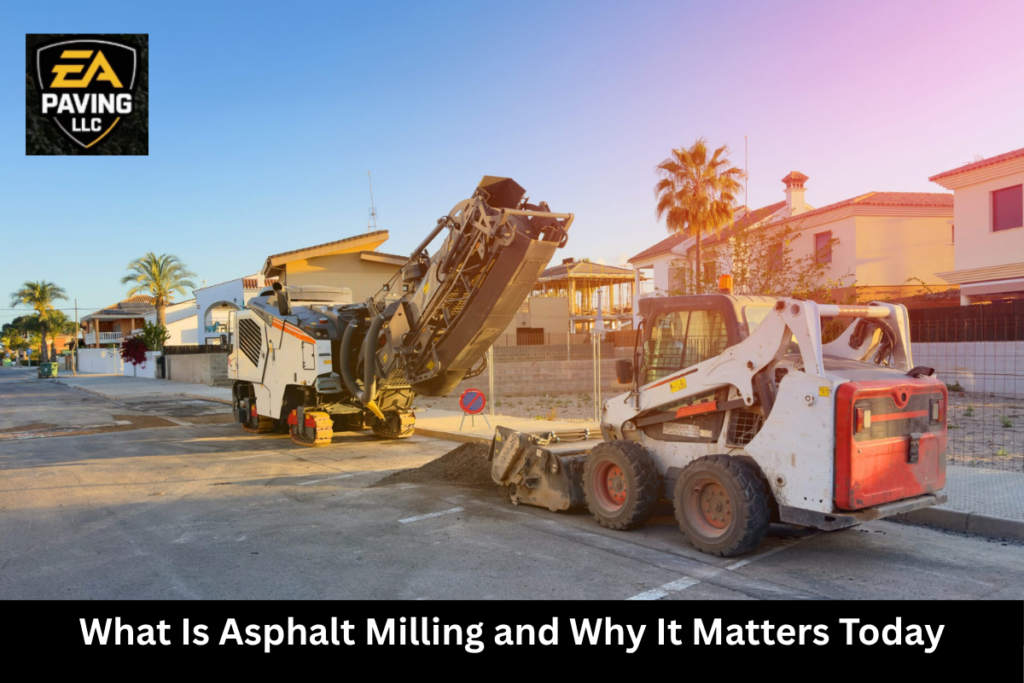
Understanding Asphalt Milling in Simple Terms
Asphalt milling is the process of removing the top layer of an existing asphalt surface using specialized machinery. This machine grinds the asphalt down to a specific depth, creating a smooth and even base for new paving.
Unlike full replacement, milling focuses only on the damaged portion of the surface. This makes it a targeted solution rather than a complete overhaul. The removed material, often called millings, can even be reused, making the process both practical and environmentally friendly.
Why Asphalt Milling Is So Important
Asphalt milling plays a key role in modern pavement maintenance. Instead of wasting resources on full reconstruction, it allows you to preserve the solid base beneath the surface. This approach not only saves money but also extends the life of your pavement.
Additionally, milling improves the overall quality of the new asphalt layer. By creating a clean and level surface, it ensures better bonding and longer-lasting results. Without proper preparation, even new asphalt can fail prematurely.
When Should You Consider Asphalt Milling?
Knowing when to use asphalt milling can help you avoid unnecessary costs. It is typically recommended when the surface shows signs of wear, such as cracks, potholes, or uneven areas, but the foundation is still strong.
For example, if your parking lot has surface damage but no major structural issues, milling is often the best solution. It removes the damaged layer while preserving what still works. This makes it ideal for both residential and commercial properties.
The Asphalt Milling Process Explained
The milling process begins with an inspection of the existing pavement. Contractors assess the condition of the surface and determine how much material needs to be removed. This step ensures the process is precise and effective.
Next, a milling machine removes the top layer of asphalt. The machine grinds the surface evenly, creating a rough texture that helps the new asphalt bond properly. After milling, the area is cleaned and prepared for the next layer, which is then applied and compacted.
Benefits of Asphalt Milling You Should Know
One of the biggest advantages of asphalt milling is cost savings. Since only the top layer is removed, you avoid the expense of a full replacement. This makes it an attractive option for property owners looking to stay within budget.
Another benefit is reduced downtime. Milling is faster than complete reconstruction, which means less disruption to your daily activities. Whether it’s a driveway or a busy parking lot, this efficiency can make a big difference.
Environmental Benefits of Asphalt Milling
In today’s world, sustainability matters more than ever. Asphalt milling supports eco-friendly practices by recycling old materials. The removed asphalt can be reused in new paving projects, reducing waste and conserving resources.
This recycling process also lowers the demand for new raw materials. As a result, it helps reduce the environmental impact of construction projects. Choosing milling is not just a smart financial decision—it’s also a responsible one.
Asphalt Milling vs. Full Replacement
It’s important to understand the difference between milling and full replacement. While replacement involves removing the entire pavement structure, milling focuses only on the surface layer. This makes milling less invasive and more cost-effective.
However, milling is not always the right choice. If the foundation is severely damaged, a full replacement may be necessary. The key is to evaluate the condition of the pavement and choose the solution that offers the best long-term results.
How Milling Improves Surface Performance
A properly milled surface provides a strong foundation for new asphalt. It creates better traction and ensures the new layer adheres properly. This improves durability and reduces the risk of future damage.
In addition, milling can correct issues like uneven surfaces and poor drainage. By leveling the pavement, it enhances both functionality and safety. These improvements make a noticeable difference in how the surface performs over time.
Final Thoughts:
Asphalt milling is more than just a repair method—it’s a strategic solution for maintaining and improving pavement. It allows you to fix surface issues without the cost and disruption of full replacement. At the same time, it delivers long-lasting results that enhance both performance and appearance.
If your pavement shows signs of wear but still has a solid foundation, milling could be the perfect option. By choosing this method, you save money, reduce environmental impact, and extend the life of your asphalt. In the end, it’s a practical and efficient way to keep your surfaces in top condition.
FAQs
1. What is asphalt milling?
Asphalt milling is the process of removing the top layer of asphalt to prepare for new paving.
2. When should asphalt milling be used?
It is used when the surface is damaged but the underlying base is still in good condition.
3. Is asphalt milling cheaper than replacement?
Yes, milling is more cost-effective because it removes only the damaged layer.
4. Can milled asphalt be reused?
Yes, the removed material can be recycled and used in future paving projects.
5. How long does the milling process take?
It depends on the project size, but it is generally faster than full replacement.
6. Does milling improve pavement durability?
Yes, it creates a better surface for new asphalt, improving overall performance and lifespan.