
Asphalt surfaces are built to last, but they are not maintenance-free. Over time, exposure to sunlight, rain, traffic, and chemicals slowly breaks down the surface. What starts as a smooth, rich black finish can quickly turn into a faded, brittle layer filled with cracks. That’s where sealcoating comes in. It acts like a protective shield, helping your asphalt stay strong, flexible, and visually appealing for years.
However, many property owners struggle with one simple question—how often should you sealcoat asphalt surfaces? Some believe it should be done every year, while others wait until the damage becomes obvious. The truth lies somewhere in between. Understanding the right timing can save you money, prevent costly repairs, and extend the life of your pavement. Let’s break it down in a simple, practical way so you can make the best decision for your property.
What Is Sealcoating and Why Does It Matter?
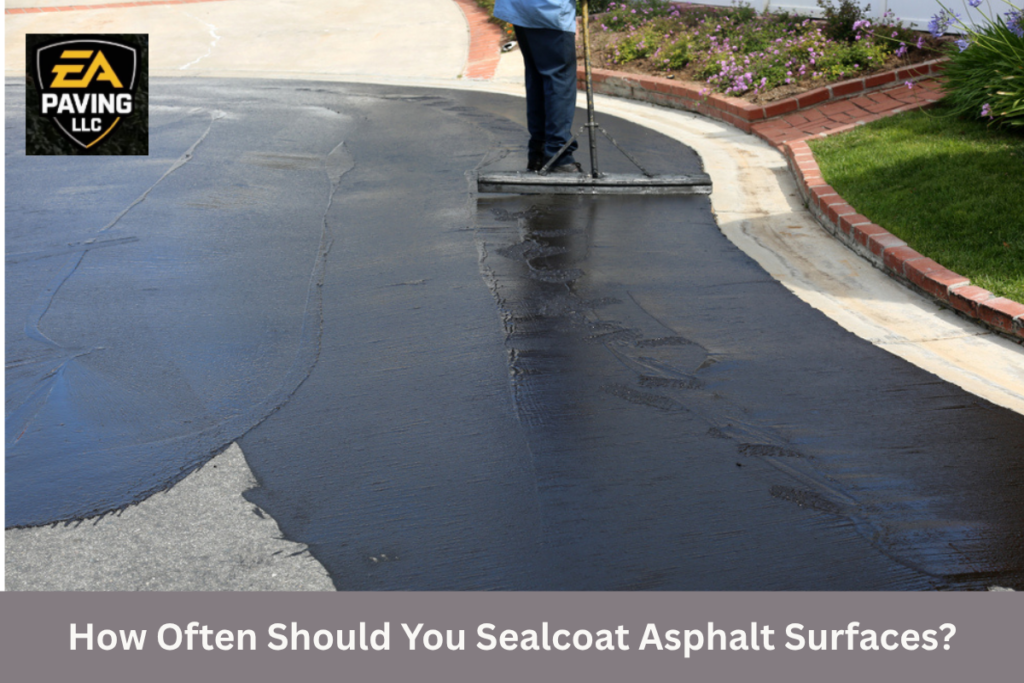
Sealcoating is the process of applying a protective layer over asphalt surfaces. This coating acts as a barrier against harmful elements such as UV rays, water, oil, and chemicals. Without this protection, asphalt begins to oxidize, lose flexibility, and develop cracks.
In addition to protection, sealcoating also restores the rich black appearance of asphalt. This improves curb appeal and gives your driveway or parking lot a fresh, well-maintained look. While it may seem like a cosmetic upgrade, it actually plays a critical role in preserving the structure beneath the surface.
The General Rule: How Often Should You Sealcoat?
In most cases, asphalt surfaces should be sealcoated every 2 to 3 years. This timeframe works well for both residential driveways and commercial parking lots under normal conditions. It allows enough time for the previous coat to wear down without exposing the asphalt to serious damage.
That said, this is only a general guideline. The exact timing can vary depending on factors like climate, traffic, and the quality of the original installation. Instead of following a strict schedule, it’s better to monitor the condition of your asphalt and adjust accordingly.
Factors That Affect Sealcoating Frequency
Not all asphalt surfaces wear out at the same rate. Several factors can influence how often you need to sealcoat. One of the biggest factors is traffic. A busy parking lot with constant vehicle movement will require more frequent maintenance than a quiet residential driveway.
Weather conditions also play a major role. In areas with extreme heat, UV rays can dry out the asphalt faster. In colder regions, freeze-thaw cycles can cause cracks to form more quickly. Additionally, exposure to oil, gasoline, and other chemicals can weaken the surface, making sealcoating necessary sooner.
Signs Your Asphalt Needs Sealcoating
While timing is important, visual signs often provide the clearest answer. One of the first things you’ll notice is fading. If your asphalt has turned from deep black to a dull gray, it means the protective layer is wearing off.
Cracks are another warning sign. Small cracks may seem harmless, but they allow water to seep in and cause deeper damage. You might also notice rough texture, surface wear, or areas where water no longer drains properly. When these signs appear, it’s time to consider sealcoating.
When to Sealcoat New Asphalt
New asphalt needs time to cure before it can be sealcoated. Typically, you should wait 6 to 12 months after installation. During this period, the surface hardens and releases excess oils, making it ready for the protective coating.
Applying sealcoat too early can trap these oils and affect the performance of the coating. On the other hand, waiting too long leaves the asphalt exposed to early damage. Finding the right balance ensures maximum durability and long-term performance.
Benefits of Regular Sealcoating
Sealcoating offers several long-term benefits that go beyond appearance. First, it extends the life of your asphalt by protecting it from environmental damage. This means fewer repairs and lower maintenance costs over time.
Second, it improves safety. A smooth, sealed surface provides better traction for vehicles and reduces the risk of slips and falls. Finally, it enhances property value by keeping your driveway or parking lot looking clean and well-maintained.
Common Mistakes to Avoid
One common mistake is sealcoating too often. While it might seem like more protection is better, over-sealcoating can lead to buildup and surface issues. It’s important to follow recommended intervals instead of applying it every year.
Another mistake is ignoring minor damage before sealcoating. Cracks and potholes should always be repaired first. Sealcoating is not a fix for structural problems—it’s a preventive measure. Skipping this step can reduce the effectiveness of the coating.
Professional vs. DIY Sealcoating
Some property owners consider sealcoating a DIY project. While this can work for small areas, professional services usually deliver better results. Professionals use high-quality materials, proper equipment, and proven techniques to ensure even coverage.
Additionally, they can assess the condition of your asphalt and recommend the right timing and repairs. This level of expertise helps avoid mistakes and ensures your investment lasts longer. In most cases, hiring professionals is the smarter choice.
Final Thoughts:
Sealcoating is one of the simplest and most effective ways to protect your asphalt. However, timing plays a crucial role in getting the best results. By following the general rule of every 2 to 3 years and paying attention to visible signs, you can keep your pavement in excellent condition.
More importantly, regular maintenance prevents costly repairs and extends the lifespan of your asphalt surface. Whether it’s a driveway or a parking lot, taking a proactive approach will save you time, money, and stress. So, don’t wait until damage becomes obvious—stay ahead with timely sealcoating and keep your pavement looking and performing its best.
FAQs
1. How often should asphalt be sealcoated?
Most asphalt surfaces should be sealcoated every 2 to 3 years, depending on usage and weather conditions.
2. Can you sealcoat asphalt every year?
No, sealcoating every year is not recommended. It can cause buildup and reduce effectiveness.
3. How long should I wait to sealcoat new asphalt?
You should wait at least 6 to 12 months after installation before applying sealcoat.
4. What happens if I don’t sealcoat my asphalt?
Without sealcoating, asphalt can crack, fade, and deteriorate faster due to exposure to weather and chemicals.
5. Is sealcoating worth the investment?
Yes, it extends the lifespan of asphalt and reduces long-term repair costs.
6. Can sealcoating fix cracks?
No, cracks must be repaired before sealcoating for the best results.