
Asphalt surfaces naturally wear down over time. Traffic, weather, and everyday use can leave driveways, parking lots, and private roads rough, uneven, or damaged. When the problem is mainly limited to the upper layer, replacing the entire pavement may not be necessary.
Asphalt milling offers a practical alternative. For homeowners and businesses in Yamhill, OR, it can remove damaged pavement, create a better surface for resurfacing, and help control repair costs. Understanding how pavement milling works can make it easier to decide whether it is suitable for your property.
What Is Asphalt Milling?
Asphalt milling is the process of grinding away the upper portion of existing pavement. Typically, about one to three inches of asphalt is removed, depending on the condition of the surface and the project requirements.
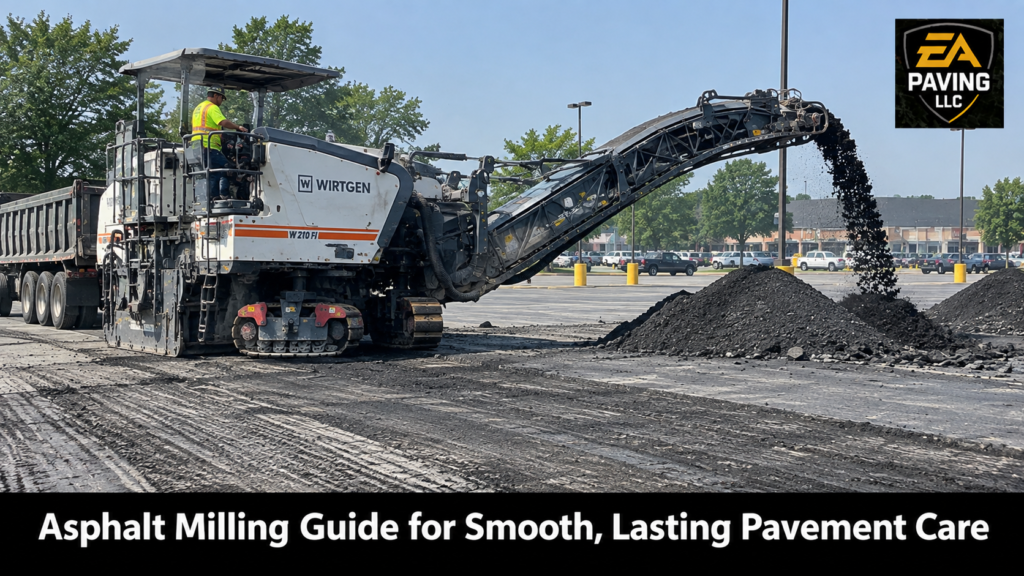
A specialized milling machine uses heavy-duty cutting teeth to remove old asphalt at a controlled depth. When the pavement structure underneath remains sound, there is no need to remove the entire paved area.
The milled material can also be recycled and reused in future paving projects. This makes cold milling asphalt a useful option for reducing unnecessary pavement waste.
Why Choose Asphalt Milling?
Milling can provide several benefits when surface deterioration has not seriously affected the pavement foundation.
A Cost-Effective Repair Option
Complete repaving requires more extensive removal and replacement. Milling focuses primarily on the damaged surface, which can make the project less expensive.
Based on the original cost estimates, asphalt milling may average around $1 to $2 per square foot. Repaving may range from approximately $3 to $6 per square foot or more. Actual asphalt milling cost depends on the size, condition, and requirements of the project.
Recycles Existing Asphalt
One major advantage of asphalt grinding is that removed pavement does not necessarily become landfill waste. The old material can often be recycled and reused in future asphalt projects.
For property owners interested in reducing waste, this gives milling an important environmental advantage over simply removing and discarding old pavement.
Prepares Pavement for Resurfacing
A new asphalt layer needs a properly prepared base. Milling removes damaged and uneven surface material before asphalt resurfacing begins.
The process creates a cleaner, more level surface where new asphalt can be installed. This is useful for residential driveways as well as commercial parking lots and entrances where appearance and smooth access matter.
Asphalt Milling vs. Repaving
Choosing between milling and complete repaving depends on the condition of the existing pavement.
Milling may be suitable when deterioration is concentrated near the surface, and the pavement structure underneath remains stable. Instead of removing everything, contractors can remove old asphalt only to the depth needed.
Repaving may be necessary when damage extends deeper or the foundation is unstable. Surface milling cannot correct serious structural problems underneath the pavement.
Budget and traffic should also be considered. Milling is generally less expensive, while heavily damaged or high-traffic pavement may require more extensive work. A professional inspection can determine which solution better matches the property’s condition.
How the Asphalt Milling Process Works
The milling process involves several important stages.
Site Preparation
The contractor first examines the pavement and identifies the areas that need milling. Work boundaries are established, and the site is checked to help prevent interference with utility lines or other important features.
Milling the Surface
The milling machine passes over the pavement and grinds away the required amount of asphalt. The depth depends on the level of surface damage and the planned work afterward.
Small projects may take only a few hours. Larger areas can require one or more days. Property owners should expect temporary noise and disruption while the equipment is operating.
Cleanup and Resurfacing
After milling, loose material and debris are cleared away. If resurfacing is part of the project, the prepared area can then receive a new asphalt layer.
This process removes the deteriorated surface while preserving usable pavement underneath whenever conditions allow.
Common Uses for Pavement Milling
Asphalt milling can serve both residential and commercial properties.
Homeowners may use it for aging driveways and private roads where surface deterioration needs attention. Businesses can use milling for parking lots, warehouse entrances, and other paved access areas.
The process can be especially useful when a property needs asphalt repair without complete pavement removal. The condition of the existing surface and foundation should always be evaluated before deciding on milling.
Choosing an Asphalt Milling Contractor
Proper milling requires specialized equipment and accurate control of the removal depth. Choosing an experienced Oregon asphalt contractor is therefore important.
A contractor should inspect the pavement before recommending milling or repaving. The evaluation should consider the visible damage as well as the condition of the pavement underneath.
EA Paving LLC provides local asphalt services for residential and commercial properties in Yamhill, Salem, and surrounding areas. A site assessment can help determine whether milling, resurfacing, or more extensive pavement work is appropriate.
Conclusion
Asphalt milling can be a cost-effective way to address worn pavement when the underlying structure is still sound. It removes damaged surface material, prepares pavement for resurfacing, and allows old asphalt to be recycled.
For homeowners and businesses in Yamhill, OR, the right solution depends on pavement condition, traffic, budget, and the depth of the damage. Contact EA Paving LLC at (503) 967-9995 to discuss your asphalt milling project and request a free estimate.
FAQs
1. How long does asphalt milling take?
Small milling projects may take a few hours, while larger areas can require one or more days. The exact duration depends on project size and pavement conditions.
2. Is asphalt milling the same as asphalt grinding?
Yes. Asphalt milling and asphalt grinding are commonly used to describe the process of removing the upper layer of existing pavement with specialized machinery.
3. What happens to asphalt after milling?
Removed asphalt can often be collected, recycled, and reused in future paving projects instead of being discarded as waste.
4. How often should pavement be milled?
There is no fixed schedule. The need for milling depends on traffic, wear, pavement condition, and the extent of surface damage.
5. Is milling cheaper than repaving?
Generally, yes. Based on the original estimates, milling may cost around $1 to $2 per square foot, compared with approximately $3 to $6 per square foot or more for repaving. Actual costs vary by project.