
A driveway is more than just a place to park your car—it’s one of the first things people notice about your property. Whether you’re a homeowner or managing a commercial space, the condition of your driveway says a lot about how well the property is maintained. That’s where driveway paving comes in. It’s not just about looks; it’s about function, safety, and long-term value.
Many property owners delay paving because they’re unsure when it’s actually needed. Some think minor cracks are harmless, while others assume paving is only necessary for new construction. In reality, driveway paving plays a key role in preventing bigger issues down the road. By understanding what it is and when to invest in it, you can protect your property, improve curb appeal, and save money over time.
Understanding Driveway Paving in Simple Terms
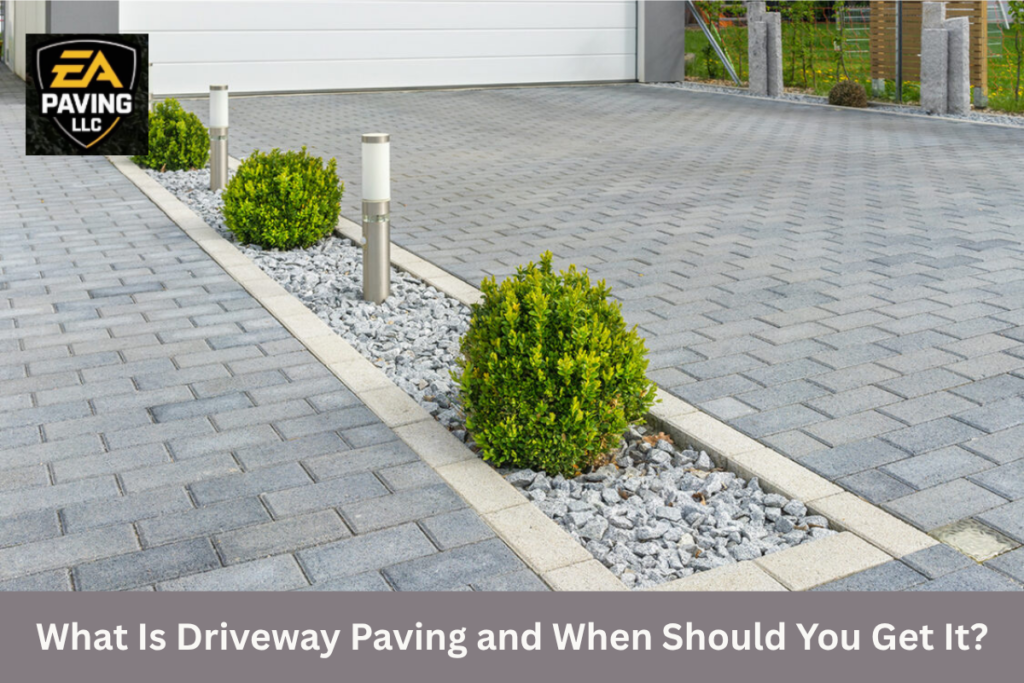
Driveway paving is the process of creating or upgrading a driveway using durable materials like asphalt, concrete, or pavers. The goal is to build a smooth, stable surface that can handle daily vehicle traffic and changing weather conditions.
In most cases, asphalt is the preferred option because it is cost-effective, flexible, and quick to install. However, the process involves more than just laying material on the ground. It requires proper planning, grading, and compaction to ensure the driveway lasts for years without major issues.
Why Driveway Paving Matters More Than You Think
At first glance, a driveway may not seem like a major investment. However, it directly impacts both the appearance and functionality of your property. A well-paved driveway creates a clean, polished look that instantly improves curb appeal.
Beyond appearance, it also enhances daily convenience. A smooth surface makes driving and parking easier while reducing wear and tear on vehicles. Over time, these small benefits add up, making driveway paving a practical and valuable upgrade.
Signs It’s Time to Pave Your Driveway
Knowing when to pave your driveway can save you from costly repairs later. One of the most common signs is visible damage. Cracks, potholes, and uneven surfaces indicate that the structure is weakening.
Additionally, drainage problems are a major red flag. If water pools on your driveway after rain, it can lead to faster deterioration. In such cases, paving or resurfacing can fix the issue and prevent further damage.
New Construction vs. Replacement: What You Need
Driveway paving is not limited to fixing old surfaces. It is also essential for new construction projects. If you’re building a new home or commercial space, installing a proper driveway from the start ensures long-term durability.
On the other hand, older driveways may need full replacement rather than simple repairs. If the foundation is damaged, patchwork solutions will only provide temporary relief. In such cases, replacing the entire driveway is the smarter choice.
The Driveway Paving Process Explained
The paving process starts with site preparation. This includes clearing the area, leveling the ground, and creating a strong base. Without a solid foundation, even the best materials will fail over time.
Once the base is ready, the paving material is applied and compacted. After that, the surface is smoothed and left to cure. Although the process may seem simple, each step requires precision to ensure a durable and long-lasting result.
Choosing the Right Material for Your Driveway
Not all driveways are the same, and choosing the right material is crucial. Asphalt is popular due to its affordability and quick installation. It also performs well in areas with temperature changes because of its flexibility.
Concrete, on the other hand, offers a longer lifespan and a more rigid structure. Pavers provide a decorative option with unique designs. Each material has its benefits, so the best choice depends on your budget, climate, and aesthetic preference.
How Driveway Paving Saves You Money
While driveway paving requires an upfront investment, it can save money in the long run. A properly paved driveway reduces the need for frequent repairs and maintenance. This means fewer expenses over time.
Additionally, it protects your vehicles from damage caused by rough or uneven surfaces. It also increases property value, making it easier to sell your home at a better price. In this way, driveway paving becomes a smart financial decision rather than just an expense.
Maintenance Tips After Paving
Once your driveway is paved, proper maintenance is key to keeping it in good condition. Regular cleaning helps prevent dirt buildup and surface damage. Sealcoating, especially for asphalt, adds a protective layer that extends its lifespan.
It’s also important to address small issues early. Fixing minor cracks before they expand can prevent major repairs. With consistent care, your driveway can stay strong and visually appealing for many years.
Final Thoughts:
Driveway paving is one of those upgrades that many people overlook—until problems become unavoidable. However, waiting too long can lead to higher costs and more extensive damage. By taking action at the right time, you can avoid these issues and enjoy a safer, more attractive property.
Whether you need a brand-new driveway or a replacement, investing in professional paving is always worth it. It improves your daily experience, enhances property value, and provides long-term peace of mind. So, if your driveway is showing signs of wear or you’re planning a new project, now is the perfect time to make a smart move.
FAQs
1. What is driveway paving?
Driveway paving is the process of installing or upgrading a driveway using materials like asphalt, concrete, or pavers.
2. How do I know if my driveway needs paving?
Look for cracks, potholes, drainage issues, or uneven surfaces. These are clear signs that paving is needed.
3. How long does driveway paving last?
Depending on the material and maintenance, a paved driveway can last 15 to 30 years.
4. Is asphalt better than concrete for driveways?
Asphalt is more affordable and flexible, while concrete is more durable but costs more.
5. How long before I can use a newly paved driveway?
Most asphalt driveways can be used within 24 to 48 hours after installation.
6. Can I repair instead of repaving?
Minor damage can be repaired, but severe issues often require full repaving for long-term results.