
You just got your driveway done—or it’s only been a few years—and cracks are already showing up. It can feel frustrating, especially when you expected it to last much longer.
The truth is, driveway cracking doesn’t always mean something was done wrong, but when it happens too fast, there’s usually a reason behind it. Homeowners often encounter early cracks that EA Paving could have prevented with the right approach.
Understanding what’s causing the problem is the first step to fixing it and avoiding bigger damage later.
Is It Normal for Driveways to Crack?
Some level of cracking is normal over time. Asphalt naturally expands and contracts with temperature changes, and small hairline cracks can appear as it ages.
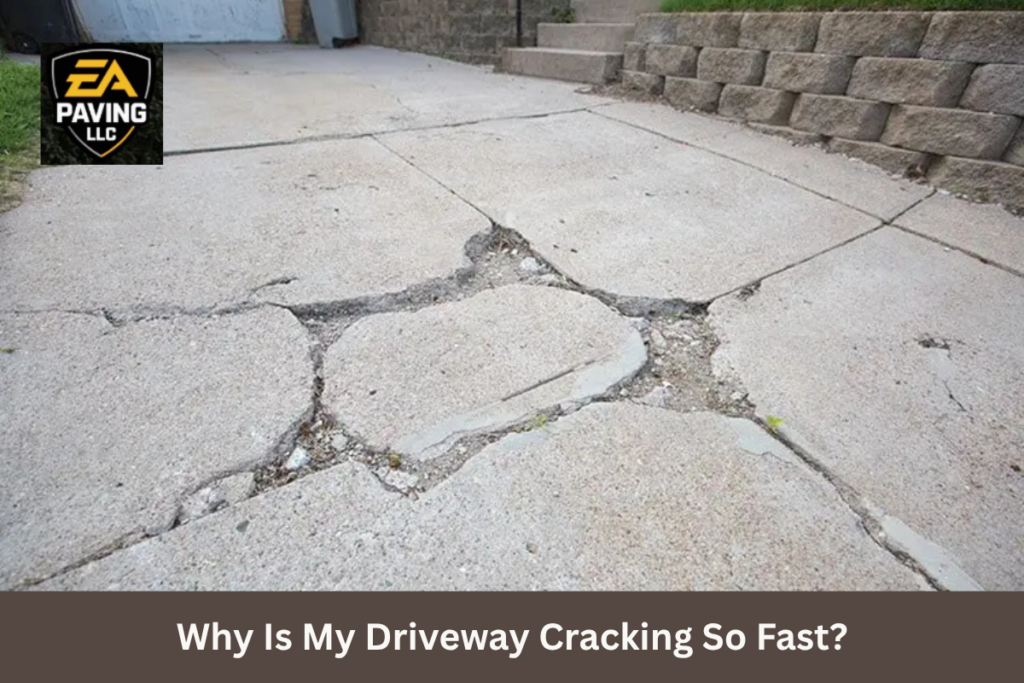
However, cracks that appear within the first year or two, or spread quickly, are atypical. That usually points to underlying issues that need attention.
Main Reasons Your Driveway Is Cracking So Fast
There isn’t just one cause. In most cases, multiple factors work together to weaken the surface.
1. Poor Installation or Weak Base
One of the most common reasons for early cracking is poor installation. If the base layer underneath the asphalt isn’t properly compacted, the surface won’t have enough support.
When the ground shifts or settles:
- The asphalt bends under pressure
- Weak spots begin to form
- Cracks appear sooner than expected
A poorly prepared base can lead to cracks within months instead of years.
2. Thin Asphalt Layer
Thickness matters more than most homeowners realize. If the asphalt layer is too thin, it cannot support the weight of regular vehicles.
- Thin driveways wear out faster.
- Pressure causes bending and stress cracks.
- Damage appears in a high-use area.
Driveways need enough thickness to handle daily use, especially if heavier vehicles are parked on them.
3. Weather and Temperature Changes
Temperature changes put constant stress on asphalt. It expands in heat and contracts in cold weather.
This movement may seem small, but over time it adds up:
- Surface tension builds up
- Small cracks begin to form
- Cracks widen with repeated cycles
In colder climates, freeze-thaw cycles make things worse as water freezes and expands inside the pavement.
4. Water Damage and Poor Drainage
Water is one of the major causes of driveway damage. When it seeps into small cracks or weak areas, it begins to break down the structure from the inside.
- Water weakens the base layer.
- Soil underneath shifts or erodes.
- Cracks expand over time.
Without proper drainage, water can significantly accelerate deterioration.
5. Heavy Vehicles and Constant Pressure
Driveways are usually designed for regular cars, not heavy loads.
If you frequently park:
- Trucks
- SUVs
- Delivery vehicles
The extra weight can cause stress on the surface. Over time, the added weight leads to fatigue cracks, especially if the asphalt is thin or the base is weak.
6. Sun Exposure and Aging
Sunlight slowly breaks down the binder that holds asphalt together.
As this happens:
- The surface becomes dry and brittle
- Flexibility is reduced
- Cracks form more easily
This process is gradual but can occur more quickly in areas with intense sunlight.
7. Lack of Maintenance
Even a well-installed driveway needs maintenance. Without it, small issues quickly turn into bigger problems.
- Tiny cracks go untreated.
- Water enters the surface
- Damage spreads faster
Regular maintenance can significantly slow down this process.
Early Warning Signs to Watch For
Catching problems early can save you from expensive repairs later.
- Hairline cracks appearing within months
- The edges of the driveway are breaking first
- Uneven or slightly sunken areas
- Water pooling after rain
- Loose stones or rough surface texture
These signs usually indicate that the surface or base is starting to weaken.
What Happens If You Ignore Cracks
Many homeowners ignore small cracks, thinking they’re harmless. But they rarely stay small.
- Cracks widen and deepen
- Water reaches the base layer
- Potholes begin to form
- Repairs become more expensive
What could have been a simple fix can turn into resurfacing or full replacement if left untreated.
How to Prevent Driveway Cracking
While some factors, like weather, can’t be controlled, many causes of cracking can be prevented with the right steps.
- Ensure proper installation with a strong base
- Use adequate asphalt thickness
- Fix drainage issues early
- Seal the surface every few years
- Repair small cracks before they grow
These steps help extend the life of your driveway and reduce long-term costs.
When to Call a Professional
If your driveway is cracking faster than expected, it’s best to have it checked early.
EA Paving can inspect your driveway and identify whether the issue is surface-level or structural. Depending on the condition, you may need the following:
- Crack filling
- Seal coating
- Resurfacing
- Or, in severe cases, replacement
Getting the right solution early prevents repeated repairs and unnecessary expenses.
Conclusion
Fast driveway cracking is usually a sign that something isn’t right beneath the surface. Whether it’s poor installation, water damage, heavy use, or lack of maintenance, these issues weaken the asphalt over time.
The key is to act early. Small cracks are easier and cheaper to fix, while delayed action leads to bigger problems.
If your driveway is already showing signs of early damage, EA Paving can help you figure out the cause and recommend the right next step. Taking action now can save you time, money, and stress in the long run.
FAQs
Early cracking is usually caused by poor installation, a weak base, or thin asphalt layers that cannot handle normal stress.
Yes, small cracks can appear over time, but rapid or widespread cracking is not normal and should be inspected.
Weather plays a role, but cracks usually occur more quickly when combined with other issues, such as poor drainage or weak installation.
Repair small cracks early, maintain proper drainage, and apply seal coating to protect the surface.
As soon as you notice them. Early repairs prevent water damage and reduce the risk of major issues.