
An asphalt driveway is a major investment that enhances both the appearance and functionality of your property. However, many homeowners underestimate how vulnerable asphalt can be to weather, traffic, and environmental exposure. Without proper maintenance, even a newly paved driveway can begin to crack, fade, and deteriorate within a few years.
This is exactly why sealcoating is essential for asphalt driveways. Sealcoating serves as a protective barrier that shields your driveway from moisture, UV rays, chemicals, and daily wear and tear. It not only preserves the pavement’s structural integrity but also significantly extends its lifespan.
In this complete guide, you’ll learn how sealcoating works, why it matters, and how it protects your driveway from costly damage.
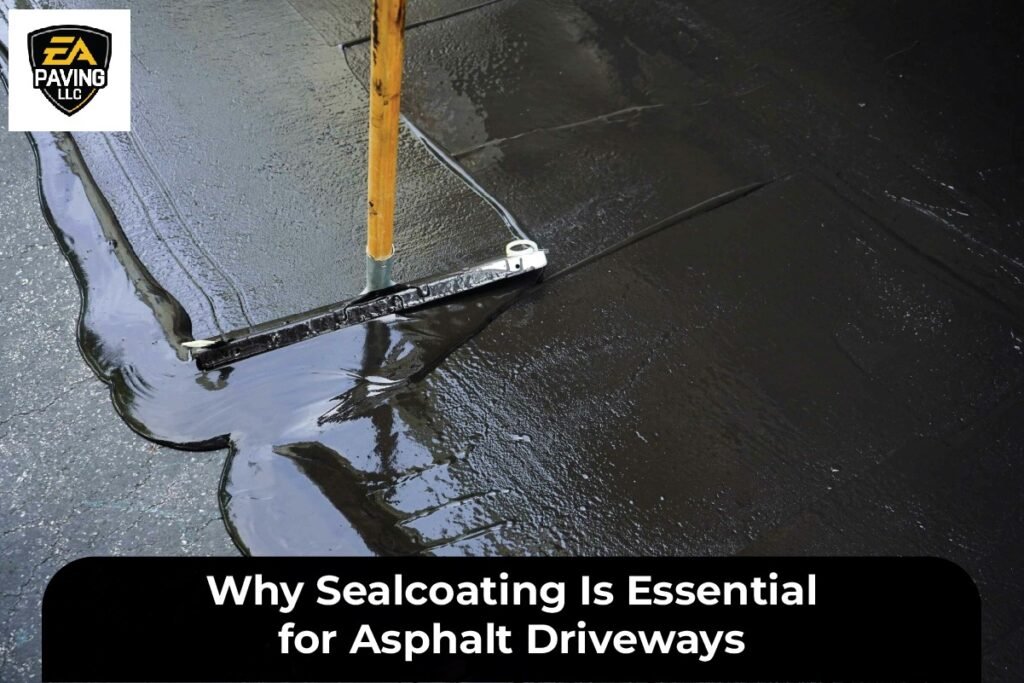
What Is Asphalt Sealcoating?
Sealcoating is the process of applying a protective liquid coating over an asphalt surface. Once cured, this coating forms a protective layer that blocks harmful elements from penetrating the pavement.
Unlike resurfacing or overlays, sealcoating does not add structural thickness. Instead, it focuses on protecting the top layer from oxidation, water damage, and chemical spills. It is considered preventive maintenance rather than structural repair.
Sealcoating typically involves:
- Cleaning the surface thoroughly
- Filling visible cracks
- Repairing minor surface defects
- Applying one or two coats of sealant
- Allowing proper curing time
When applied correctly, the result is a smooth, rich black finish that restores the driveway’s appearance while adding a strong protective barrier.
Why Sealcoating Is Essential for Asphalt Driveways
Sealcoating is not just about aesthetics. It plays a critical role in protecting the longevity and performance of asphalt pavement.
1. Protection Against Water Damage
Water is one of the most destructive elements for asphalt surfaces. When water seeps into small cracks, it weakens the base layer underneath. During freeze-thaw cycles, trapped moisture expands, causing cracks to widen.
Sealcoating prevents this by:
- Sealing small surface pores
- Blocking water penetration
- Reducing the risk of pothole formation
- Protecting the sub-base from erosion
Without this protective layer, moisture damage can significantly shorten the lifespan of your driveway.
2. Shields Asphalt from UV Rays
Asphalt contains natural oils that give it flexibility and strength. Over time, exposure to sunlight causes oxidation, which dries out the binder and makes the surface brittle.
Sealcoating protects asphalt from UV damage by:
- Slowing oxidation
- Preserving surface flexibility
- Preventing premature cracking
- Maintaining color and appearance
UV protection is especially important in areas with strong sun exposure.
3. Resistance to Oil, Gas, and Chemicals
Driveways are regularly exposed to automotive fluids, including gasoline, antifreeze, and brake fluid. These chemicals can soften and degrade asphalt if left untreated.
Sealcoating creates a barrier that resists chemical penetration. This makes cleaning spills easier and prevents permanent surface damage.
4. Prevents Small Cracks from Expanding
Hairline cracks may not seem serious at first, but they quickly widen if not addressed. Sealcoating, when combined with crack filling, helps prevent minor issues from becoming major repairs.
By sealing the surface:
- Cracks are less likely to spread
- Surface wear is minimized
- Structural damage is delayed
- Repair costs are reduced
Preventive maintenance is always more affordable than structural reconstruction.
5. Extends Driveway Lifespan
One of the biggest reasons sealcoating is essential for asphalt driveways is its impact on longevity. A properly maintained driveway can last 15–25 years or more. Without maintenance, the lifespan may drop significantly.
Regular sealcoating can:
- Add 5–10 years of service life
- Delay expensive resurfacing
- Reduce frequency of major repairs
- Improve long-term cost efficiency
In short, sealcoating protects your investment.
6. Improves Curb Appeal
Beyond structural protection, sealcoating enhances appearance. A freshly sealed driveway looks smooth, dark, and professionally maintained.
Benefits include:
- Restored rich black finish
- Increased property value
- Improved overall curb appeal
- Clean, uniform surface
For homeowners planning to sell, this visual improvement can make a strong impression.
How Often Should You Sealcoat an Asphalt Driveway?
Most professionals recommend sealcoating every 2 to 3 years. However, the exact schedule depends on several factors:
- Climate conditions
- Traffic volume
- Age of the driveway
- Exposure to sunlight
- Drainage quality
Newly installed asphalt should typically cure for 6–12 months before the first sealcoat application. Applying sealant too early may trap oils that need time to evaporate.
Spring through early fall is generally the best time for sealcoating, as moderate temperatures allow proper curing.
Signs Your Driveway Needs Sealcoating
You should consider sealcoating if you notice:
- Fading or grayish surface color
- Small cracks forming
- Rough or dry texture
- Water soaks into the pavement instead of beading
- Surface oxidation
These signs indicate the protective oils are diminishing and the surface is becoming vulnerable.
Sealcoating vs. Other Asphalt Maintenance Methods
It’s important to understand how sealcoating fits into the overall asphalt maintenance process.
- Sealcoating protects the surface layer
- Crack filling repairs visible cracks
- Patching fixes localized potholes
- Resurfacing (overlay) replaces the top asphalt layer
Sealcoating does not fix major structural problems, but it plays a vital role in preventing their development. Common Sealcoating Mistakes to Avoid
Improper application can reduce effectiveness. Common mistakes include:
- Applying sealant in rainy or cold weather
- Failing to clean the surface properly
- Skipping crack repairs before sealing
- Using low-quality sealant materials
- Sealing too frequently
Hiring experienced professionals ensures proper preparation, even application, and long-lasting results.
Final Thoughts
Understanding why sealcoating is essential for asphalt driveways helps homeowners make informed decisions about their maintenance. Sealcoating protects against moisture, UV rays, chemicals, and everyday wear while enhancing curb appeal and extending pavement life.
Rather than waiting for visible damage, proactive sealcoating preserves both appearance and structural integrity. Investing in routine maintenance today can save thousands in future repairs or replacement.
FAQs
Q1: What does sealcoating do for asphalt driveways?
Ans: Sealcoating creates a protective layer over asphalt that blocks moisture, UV rays, and other harmful elements. It helps prevent cracking, potholes, and surface deterioration.
Q2: How long does sealcoating last?
Ans: Sealcoating typically lasts 2–3 years, depending on climate conditions and traffic exposure.
Q3: Can sealcoating fix cracks?
Ans: Sealcoating alone does not repair deep cracks. Crack filling should be performed before sealcoating to prevent further damage.
Q4: Does sealcoating prevent potholes?
Ans: Sealcoating helps reduce the risk of potholes by preventing water from penetrating the pavement and weakening the base layer.
Q5: How long before I can drive on a newly sealcoated driveway?
Ans: Most driveways require 24–48 hours of curing time before vehicle traffic is allowed.