
Choosing the right material for a residential driveway is an important decision that affects your home’s curb appeal, safety, and long-term maintenance costs. Among all options, asphalt has become a popular choice for homeowners because of its affordability, durability, and ease of maintenance. This guide explains why to choose asphalt for residential driveways, compares it with other materials, and provides practical tips for installation and maintenance.
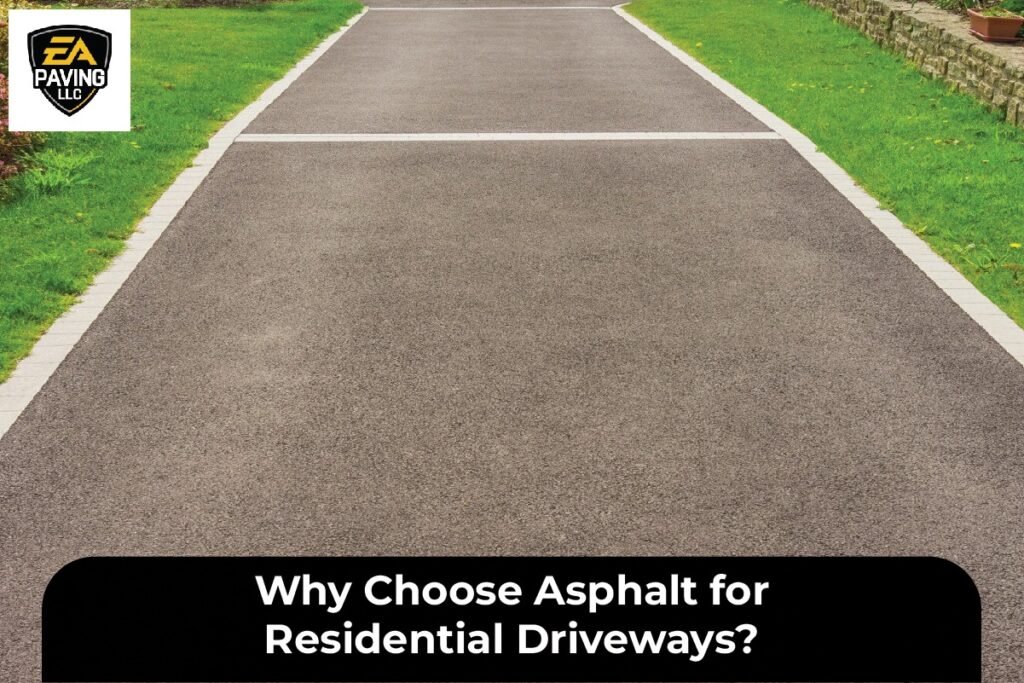
What Is Asphalt? A Quick Overview
Asphalt is a mixture of aggregates, sand, and bitumen, which binds the materials together to form a smooth, flexible surface. It is widely used for roads, parking lots, and residential driveways because of its adaptability, strength, and cost-effectiveness. Hot-mix asphalt is the most common type used in driveway installations, offering long-lasting performance with proper maintenance.
Key Benefits of Choosing Asphalt for Residential Driveways
Asphalt offers numerous advantages for homeowners. Here are the most compelling reasons to choose it:
1. Cost-Effective Installation
- Asphalt driveways typically cost less upfront than concrete or decorative pavers.
- Lower initial investment without compromising durability.
2. Fast Installation & Quick Use
- Asphalt can be installed and ready to use in a matter of days.
- Minimal disruption to daily activities and landscaping.
3. Durable & Flexible Surface
- Asphalt withstands heavy loads and frequent traffic.
- Its flexibility allows it to resist cracking under freeze-thaw conditions better than rigid materials.
4. Low Maintenance Requirements
- Requires periodic sealcoating every 2–3 years.
- Cracks and minor damage can be repaired easily.
5. Enhanced Aesthetics
- A smooth, dark finish provides a clean, modern appearance.
- Adds curb appeal and complements any home exterior.
6. Recyclable & Environmentally Friendly
- Asphalt is 100% recyclable, reducing construction waste.
- Reclaimed asphalt can be reused in new paving projects, making it a sustainable choice.
Asphalt vs Other Driveway Materials
Homeowners often compare asphalt with concrete, gravel, and pavers. Here’s how it stacks up:
Asphalt vs Concrete
- Cost: Asphalt is generally 20–30% cheaper upfront.
- Durability: Asphalt handles freeze-thaw cycles better in colder climates.
- Maintenance: Asphalt repairs are easier and faster than concrete patching.
Asphalt vs Gravel
- Appearance: Asphalt provides a smooth, modern look; gravel can be uneven.
- Maintenance: Gravel requires frequent replenishing and leveling.
- Longevity: Asphalt lasts longer with proper maintenance.
Asphalt vs Pavers
- Cost: Asphalt is less expensive to install than decorative pavers.
- Customization: Pavers offer design flexibility but come with a higher cost.
- Repair: Asphalt repairs are simpler and faster.
Real-World Cost & Value Considerations
Understanding both upfront and long-term costs is key to making a smart decision:
- Installation Costs: Asphalt averages $3–$5 per square foot.
- Maintenance Costs: Sealcoating and minor crack repairs every 2–3 years.
- Resale Value: A well-maintained asphalt driveway can increase property appeal.
- Long-Term Savings: A durable, low-maintenance surface reduces the need for frequent repairs.
How Climate Affects Asphalt Driveways
Asphalt performs well in different climates, but certain factors should be considered:
- Cold Climates: Asphalt’s flexibility allows it to withstand freeze-thaw cycles better than concrete.
- Hot Climates: Proper sealcoating prevents softening and surface damage due to UV exposure.
- Wet Climates: Proper drainage is essential to prevent standing water and base erosion.
Common Concerns and How to Address Them
Some homeowners have questions about asphalt, but most concerns can be managed with proper care:
- Fading or Softening: Sealcoating protects against UV rays and oxidation.
- Cracking: Regular maintenance, proper base installation, and timely crack filling reduce the risk of cracking.
- Drainage Issues: Ensure proper slope and grading to prevent water pooling.
- Heavy Loads: Avoid parking large vehicles for extended periods on residential driveways.
Maintenance Tips to Keep Your Asphalt Driveway Healthy
Keeping your asphalt driveway in top condition requires consistent care:
- Sealcoat Every 2–3 Years: Protects against moisture and UV damage.
- Fill Cracks Promptly: Prevents water infiltration and potholes.
- Keep It Clean: Sweep debris, remove leaves, and clean spills.
- Check Drainage: Ensure water flows away from the driveway.
- Avoid Heavy Loads: Limit prolonged parking of heavy vehicles.
When Not to Choose Asphalt
While asphalt is an excellent choice, there are situations where other materials may be better:
- Driveways are expecting extremely heavy commercial traffic
- Homeowners seeking highly decorative, patterned surfaces
- Areas where drainage cannot be managed effectively
Final Thoughts
Choosing asphalt for residential driveways offers a winning combination of affordability, durability, ease of maintenance, and aesthetic appeal. By understanding its benefits, comparing it with other materials, and following proper maintenance practices, homeowners can enjoy a long-lasting, attractive driveway. Whether you’re installing a new driveway or resurfacing an existing one, asphalt remains one of the most reliable and sustainable options available.
FAQs
Q1: Why choose asphalt over concrete for driveways?
Ans: Asphalt is more cost-effective, flexible in freeze-thaw climates, and easier to repair than concrete.
Q2: How long does an asphalt driveway last?
Ans: With proper installation and maintenance, asphalt driveways typically last 20–30 years.
Q3: How often should I sealcoat my asphalt driveway?
Ans: Sealcoating every 2–3 years protects the surface from UV rays, water, and oxidation.
Q4: Does asphalt crack in cold weather?
Ans: Minor cracks can occur, but proper installation, a strong base, and regular maintenance minimize issues.
Q5: Is asphalt environmentally friendly?
Ans: Yes. Asphalt is 100% recyclable and can be reused in new paving projects, reducing waste.