
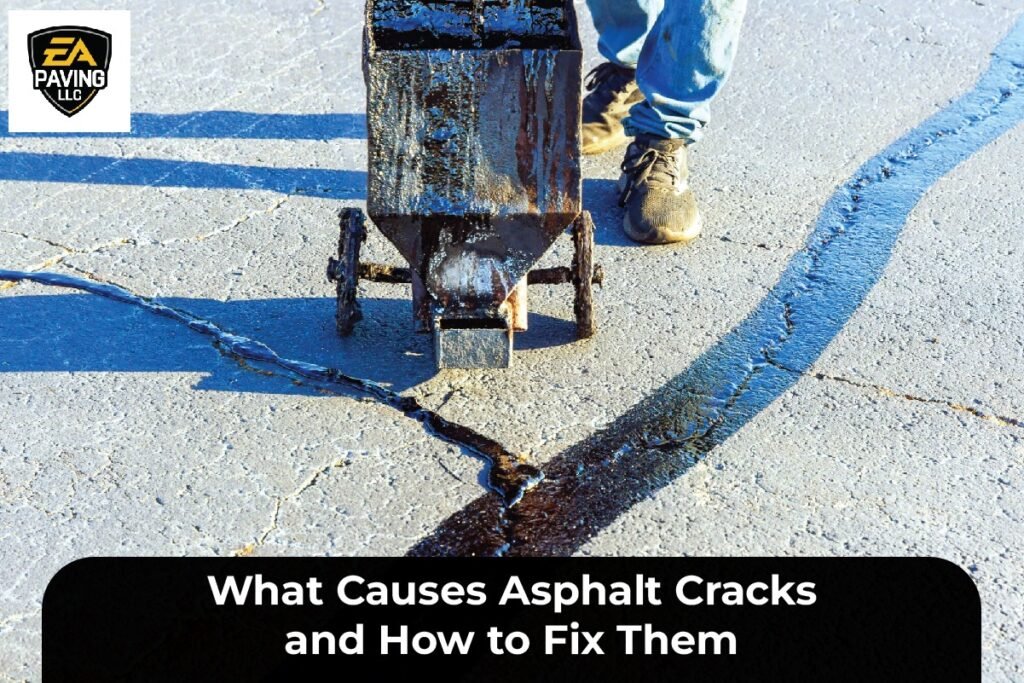
Asphalt cracks are among the most common issues in driveways, parking lots, and roads. Left untreated, cracks not only worsen over time but can also lead to costly repairs, water damage, and safety hazards. Understanding what causes asphalt cracks and how to fix them is essential for homeowners and property managers alike. In this guide, we’ll explore the types of cracks, their causes, repair methods, and preventive strategies to extend the life of your asphalt surfaces.
Why Asphalt Cracks Matter
Cracks may seem minor at first glance, but they can indicate underlying structural problems. Addressing them promptly is critical because:
- Water can infiltrate cracks and weaken the base layer
- Small cracks can quickly expand into potholes
- Uneven surfaces can cause slips, trips, and liability issues
- Damaged asphalt reduces property value and curb appeal
Early detection and repair prevent minor issues from escalating into expensive reconstruction projects.
Common Types of Asphalt Cracks
Different cracks tell you different stories about what’s going wrong. Here are the most common types:
1. Alligator Cracking
- Interconnected, mesh-like cracks
- Indicates structural failure or base instability
2. Longitudinal Cracks
- Straight cracks running along the pavement
- Often caused by pavement shrinkage or joint separation
3. Transverse Cracks
- Cross the width of the asphalt
- Usually caused by temperature changes or shrinkage
4. Edge Cracks
- Appear along the edges of the pavement
- Caused by poor support or heavy traffic near curbs
5. Block Cracking
- Large rectangular patterns
- Caused by asphalt shrinkage over time
6. Slippage Cracks
- Curved or crescent-shaped cracks
- Caused by inadequate bonding between asphalt layers
Recognizing the type of crack helps determine the appropriate repair method.
Major Causes of Asphalt Cracking
Understanding the root causes of asphalt cracks helps prevent future problems. The most common causes include:
1. Weather and Climate
- Freeze-thaw cycles expand and contract the asphalt, causing cracks
- UV rays dry out asphalt, making it brittle over time
2. Poor Installation or Base Preparation
- A weak or uneven sub-base leads to structural cracks
- Improper compaction during installation can result in early cracking
3. Heavy Loads and Traffic Stress
- Frequent heavy vehicles can stress the asphalt beyond its capacity
- Overloaded areas are prone to alligator and edge cracking
4. Water Infiltration and Poor Drainage
- Standing water seeps into small cracks and erodes the base
- Improper slope or drainage accelerates pavement deterioration
5. Lack of Maintenance
- Missing sealcoating and neglected small cracks
- Routine inspections prevent minor cracks from worsening
How to Fix Asphalt Cracks
Repair methods depend on crack size, type, and severity. Here’s a detailed breakdown:
🔹 Step-By-Step Crack Repair Process
- Clean the crack of debris and vegetation
- Remove loose material
- Fill with crack filler or patching material
- Compact and smooth the surface
- Apply sealcoating if necessary
🔹. Fixing Small Cracks (DIY)
- Use cold-pour crack filler or sealant
- Ideal for hairline cracks under ½ inch
- Easy and cost-effective for homeowners
🔹 Fixing Medium to Large Cracks
- Use hot pour crack filler or asphalt patching materials
- Ideal for cracks ½ to 2 inches wide
- Ensure proper compaction and curing for durability
🔹. Fixing Structural Cracks
- Milling and resurfacing may be required
- Full-depth patching addresses base layer failure
- Professional contractors are recommended for long-term solutions
DIY vs Professional Asphalt Crack Repair
Understanding which repairs you can handle yourself versus hiring a professional is important:
DIY Repairs:
- Small cracks and surface maintenance
- Minor sealcoating
- Routine cleaning and debris removal
Professional Services:
- Structural cracks and alligator cracking
- Extensive pothole repair
- Resurfacing or overlay projects
- Major sealcoating and striping
Combining DIY maintenance with professional services helps ensure your asphalt lasts longer and remains safe.
When to Sealcoat After Repairs
- Wait 2–3 weeks after crack repair for proper curing
- Sealcoating protects repaired areas from water and UV damage
- Regular sealcoating every 2–3 years prolongs pavement life. Sealcoating after repairs helps protect your investment and reduces the risk of future cracks.
How Crack Repair Extends Pavement Life
Timely crack repair preserves your asphalt by:
- Preventing water from reaching the base
- Minimizing pothole formation
- Maintaining smooth, safe surfaces
- Extending the overall lifespan of the asphalt
- Reducing long-term repair costs
Proper maintenance keeps your driveway, parking lot, or roadway functional and visually appealing.
Best Time of Year to Repair Cracks
- Spring and Summer: Ideal due to moderate temperatures and dry conditions
- Fall: Possible, but watch for early freezes
- Winter: Avoid repairs; cold weather prevents proper curing
Timing repairs during optimal seasons ensures better adhesion and longer-lasting results.
Final Thoughts
Causes asphalt to crack; asphalt repair is essential to maintaining safe, functional, and visually appealing asphalt surfaces. Regular inspections, timely crack repairs, preventive measures such as sealcoating and maintenance, and cost reduction are essential. Combining DIY care for minor issues with professional services for structural problems ensures your asphalt investment is well-protected for years to come.
FAQs
Q1: What causes asphalt cracks?
Ans: Asphalt cracks are caused by weather conditions, heavy traffic, poor installation, water infiltration, and lack of maintenance.
Q2: Can DIY fix small cracks?
Ans: Yes. Hairline cracks under ½ inch can be repaired using cold-pour crack filler or sealant.
Q3: Will cracks lead to potholes if ignored?
Ans: Yes. Untreated cracks allow water to penetrate, weakening the base and eventually forming potholes.
Q4: What materials are used for crack repair?
Ans: Common materials include cold pour sealants, hot pour crack filler, asphalt patching material, and sealcoating products.
Q5: How long do asphalt crack repairs last?
Ans: Properly repaired cracks can last 3–5 years or longer, depending on traffic, weather, and maintenance practices.