
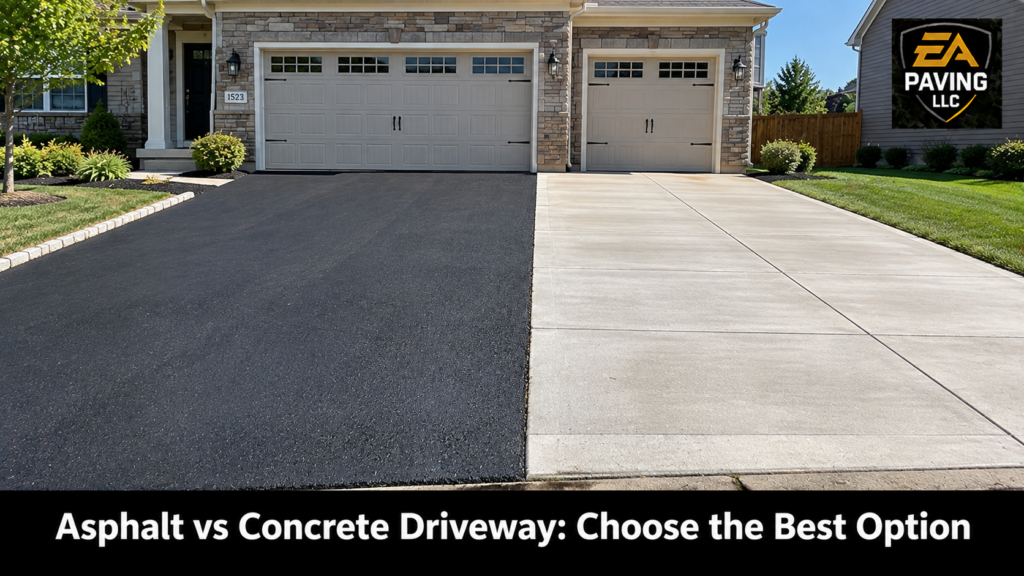
Choosing the right driveway material can affect cost, maintenance, appearance, and long-term performance. For homeowners and businesses in Oregon, asphalt and concrete are two common options, but each has different advantages.
Local weather is another factor to consider. Rain, frost, and temperature changes can influence pavement over time. EA Paving LLC provides driveway paving services in Keizer and surrounding areas, helping property owners select a solution that matches their needs and budget.
Benefits of Asphalt Driveway Paving
Asphalt is a practical choice for residential driveway paving, particularly for property owners who value affordability, faster installation, and straightforward maintenance.
Durability and Lifespan
With proper installation and maintenance, an asphalt driveway can last approximately 15 to 20 years. Asphalt also offers flexibility, allowing it to expand and contract as temperatures change.
This flexibility can be useful in Oregon, where pavement may experience rainfall, frost, and changing temperatures throughout the year.
Lower Initial Cost
Cost is often a major part of driveway material selection. Based on the original estimates, asphalt installation may cost approximately $3 to $6 per square foot.
Asphalt generally has a lower upfront cost than concrete, making it appealing to homeowners who want a durable paved driveway while keeping the initial investment manageable.
Faster Installation
A new asphalt driveway can often be installed faster than a concrete surface. Depending on the size and conditions of the project, asphalt installation may take approximately one or two days.
Concrete requires additional curing time, so the driveway generally cannot return to normal use as quickly.
Straightforward Maintenance
Asphalt does require ongoing care. Sealing every few years can help protect the surface, while cracks should be repaired before they become larger.
When damage is addressed promptly, asphalt repairs can be relatively simple and cost-effective.
Advantages of Concrete Driveways
Concrete offers a different set of benefits. Its longer potential lifespan and decorative possibilities can make it attractive to homeowners who are comfortable with the higher initial investment.
Appearance and Curb Appeal
Concrete provides more decorative options than standard asphalt. It can be colored or stamped to create different finishes, including appearances inspired by stone or brick.
For homeowners who place a high priority on curb appeal, these customization options can make concrete worth considering.
Longer Potential Lifespan
A properly installed and maintained concrete driveway can last 30 years or more. This is considerably longer than the 15-to-20-year lifespan given for asphalt in the original comparison.
The additional lifespan may help some homeowners justify the higher upfront cost, particularly when they plan to remain at the property for many years.
Lower Routine Maintenance
Concrete generally requires less routine maintenance than asphalt. Regular cleaning can help remove dirt and debris, and it does not require the same recurring seal coating described for asphalt.
Concrete also reflects more sunlight than asphalt, which can reduce surface heat absorption during warmer weather.
Asphalt vs Concrete Driveway: Key Considerations
Neither material is automatically right for every property. The decision should reflect your budget, maintenance expectations, preferred appearance, climate, and long-term plans.
Asphalt may appeal to homeowners looking for a lower upfront cost, quicker installation, and flexibility during temperature changes. Concrete may be more attractive when decorative appearance, longer potential lifespan, and reduced routine maintenance are priorities.
Commercial property owners may also weigh cost and regular usage heavily when selecting a surface. Asphalt can be attractive for its practicality and initial price, while concrete may suit properties where appearance is a stronger consideration.
When Is Driveway Replacement Necessary?
Visible deterioration can indicate that an existing driveway needs professional attention. Large cracks, uneven areas, and significant surface wear are common signs that an inspection may be appropriate.
Not every damaged driveway requires full replacement. A paving contractor can assess its condition and determine whether repairs remain practical or a new driveway installation is a better option.
Planning Driveway Replacement Costs
Material is only one part of the total driveway paving cost. Property owners may also need to account for excavation and site preparation.
When comparing asphalt and concrete, consider both the initial installation expense and future maintenance requirements rather than making a decision based only on the starting price.
Choosing a Driveway Material in Oregon
Oregon’s wet conditions should be considered when planning a driveway. Asphalt’s flexibility and performance in changing temperatures can make it a practical option for many properties.
Concrete remains an alternative for homeowners who prefer its appearance and longer potential lifespan. Individual priorities ultimately determine which material offers the better fit.
Before starting work, property owners should also check applicable local building requirements or homeowners association guidelines that could affect driveway installation.
Choosing a Driveway Paving Contractor
Proper installation plays an important role regardless of the material selected. Look for a licensed contractor with relevant experience and knowledge of local conditions.
Obtaining estimates can also help you compare project requirements and costs before making a final decision.
EA Paving LLC provides asphalt driveway paving services in Keizer and surrounding Oregon communities and can evaluate an existing driveway before recommending the appropriate work.
Conclusion
Both asphalt and concrete offer useful advantages. Asphalt provides a lower initial cost, faster installation, flexibility, and straightforward repairs. Concrete offers decorative options, a longer potential lifespan, and lower routine maintenance.
The best choice depends on your budget, desired appearance, maintenance preferences, and property needs. For professional driveway paving assistance, contact EA Paving LLC at (503) 967-9995 for a free estimate.
Frequently Asked Questions
1. How long does an asphalt driveway last?
With proper installation and maintenance, an asphalt driveway can last approximately 15 to 20 years.
2. Is asphalt less expensive than concrete?
Asphalt generally has a lower initial installation cost. The original estimate places asphalt at approximately $3 to $6 per square foot, although actual project costs can vary.
3. What maintenance does asphalt require?
Regular sealing every few years and timely crack repairs can help protect an asphalt driveway and extend its useful life.
4. Can an asphalt driveway be replaced with concrete?
Yes. However, the existing driveway should first be assessed because removal and site preparation may be necessary before concrete installation.
5. What should I consider when choosing driveway material?
Consider upfront cost, expected lifespan, maintenance, appearance, local weather conditions, and your long-term plans for the property.