
Asphalt pavement is built to handle heavy traffic and harsh weather, but without proper maintenance, it can deteriorate much sooner than expected. One of the most effective ways to preserve and protect asphalt surfaces is sealcoating.
Sealcoating is not just about appearance—it plays a critical role in extending the lifespan of asphalt pavement, reducing repair costs, and preventing premature replacement. In this guide, we’ll explain exactly how sealcoating works, why it’s effective, and how it can add years to the life of your asphalt driveway or parking lot.
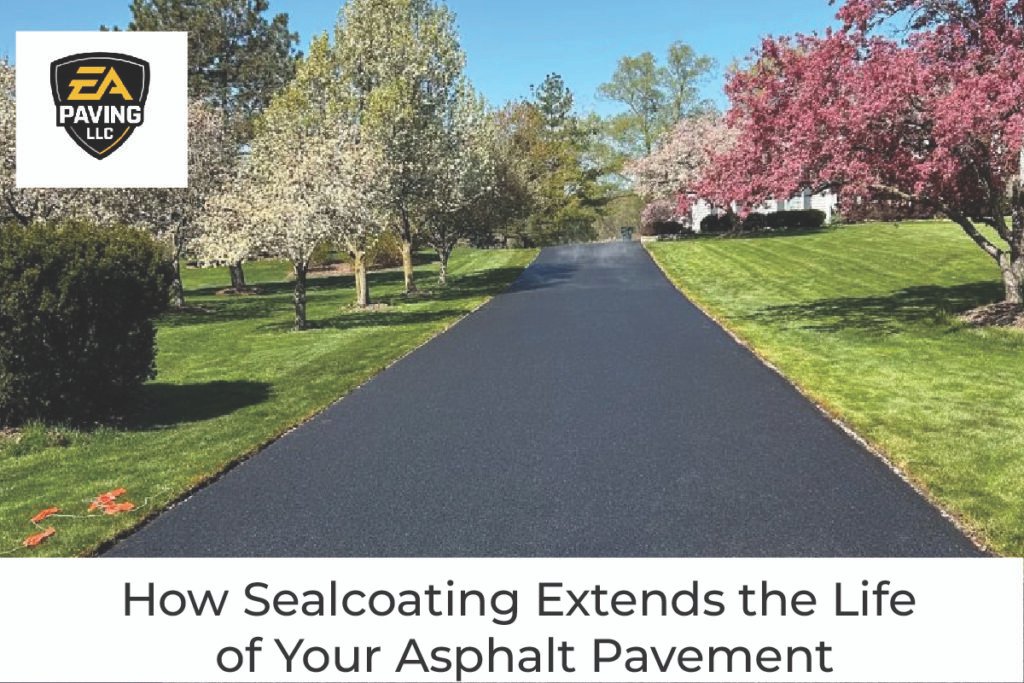
What Is Asphalt Sealcoating?
Asphalt sealcoating is a protective liquid coating applied over existing asphalt pavement. Once cured, it forms a durable barrier that shields the surface from damaging elements like sunlight, water, oil, and chemicals.
Sealcoating is commonly used for:
- Residential driveways
- Commercial parking lots
- Private roads and access lanes
- Walkways and paved surfaces
Rather than repairing structural damage, sealcoating focuses on preventing deterioration before it starts, making it one of the smartest preventative maintenance solutions available.
How Sealcoating Protects Asphalt and Extends Its Life
1. Blocks UV Rays and Slows Oxidation
Sun exposure is one of the biggest threats to asphalt. Over time, ultraviolet rays dry out the asphalt binder, causing oxidation. This leads to brittleness, fading, and cracking.
Sealcoating acts as a UV shield, slowing oxidation and helping asphalt remain flexible longer—significantly reducing surface cracking.
2. Prevents Water Penetration
Water is another major cause of asphalt failure. When moisture enters small cracks and surface pores, it weakens the base layer and leads to potholes and structural damage.
Sealcoating fills surface voids and creates a water-resistant layer, preventing moisture from penetrating the pavement and protecting the foundation underneath.
3. Resists Oil, Gas, and Chemical Damage
Vehicle fluids, such as oil, gasoline, and antifreeze, can break down asphalt and soften the surface.
Sealcoating forms a chemical-resistant barrier that prevents petroleum products from soaking into the pavement, preserving its strength and structure.
4. Reduces Cracking and Surface Wear
Asphalt expands and contracts with temperature changes. Without protection, this movement causes cracks to form.
Sealcoated asphalt retains more flexibility, helping it better withstand temperature fluctuations, vehicle traffic, and everyday wear—resulting in fewer cracks and surface failures.
How Much Longer Does Sealcoating Make Asphalt Last?
When properly maintained:
- Unsealed asphalt often lasts around 10–15 years
- Sealcoated asphalt, with routine maintenance, can last 20–30 years or more.
Sealcoating doesn’t eliminate all future repairs, but it dramatically slows deterioration and can nearly double the usable lifespan of asphalt pavement when combined with crack filling and timely repairs.
Best Practices to Maximise Pavement Lifespan
To get the most life extension from sealcoating, follow these best practices:
- Sealcoat every 2–3 years, depending on traffic and climate
- Repair cracks and potholes first before applying sealcoat
- Apply during warm, dry weather for proper curing.
- Use a professional application to ensure even coverage and durability.
Quality preparation and correct timing make a significant difference in how well sealcoating performs.
Sealcoating vs Repairs: What It Can and Can’t Do
Sealcoating CAN:
✔ Prevent future damage
✔ Extend pavement lifespan
✔ Improve appearance
✔ Reduce maintenance costs
Sealcoating CANNOT:
✘ Repair deep cracks
✘ Fix potholes
✘ Correct base or structural failure
Damaged asphalt should be repaired first, then protected with sealcoating for long-term results.
Final Thoughts
Sealcoating is one of the most effective ways to extend the life of your asphalt pavement. By protecting against UV rays, water damage, chemicals, and everyday wear, sealcoating helps asphalt last longer, look better, and cost less to maintain over time.
For property owners looking to maximize their pavement investment, routine sealcoating is a smart, proactive solution.
FAQS
How long does sealcoating extend the life of asphalt pavement?
Sealcoating can significantly extend asphalt lifespan—often adding 10 to 15 extra years when applied regularly and combined with proper maintenance.
How often should asphalt be sealcoated?
Most asphalt surfaces should be sealcoated every 2–3 years, depending on traffic levels and weather exposure.
Does sealcoating prevent cracks completely?
Sealcoating helps prevent new cracks but does not repair existing structural damage. Cracks should be filled before sealing.
Is sealcoating worth the investment?
Yes. Sealcoating is far less expensive than major repairs or full asphalt replacement, making it one of the most cost-effective pavement maintenance solutions.
Can old asphalt still be sealcoated?
Yes, as long as the asphalt is structurally sound and properly repaired before application.