
Learn what asphalt sealcoating is, how it works, and why it’s important for protecting driveways and parking lots. Discover benefits, timing, and expert tips.
Asphalt surfaces, such as driveways, parking lots, and roadways, are a significant investment for property owners. Without proper maintenance, asphalt can crack, fade, and deteriorate far sooner than expected. One of the most effective and affordable ways to protect asphalt pavement is asphalt sealcoating.
Asphalt sealcoating is a preventative maintenance process that helps extend the life of pavement, improve appearance, and reduce long-term repair costs. In this guide, we’ll explain what asphalt sealcoating is, how it works, and why it’s so important for both residential and commercial properties.
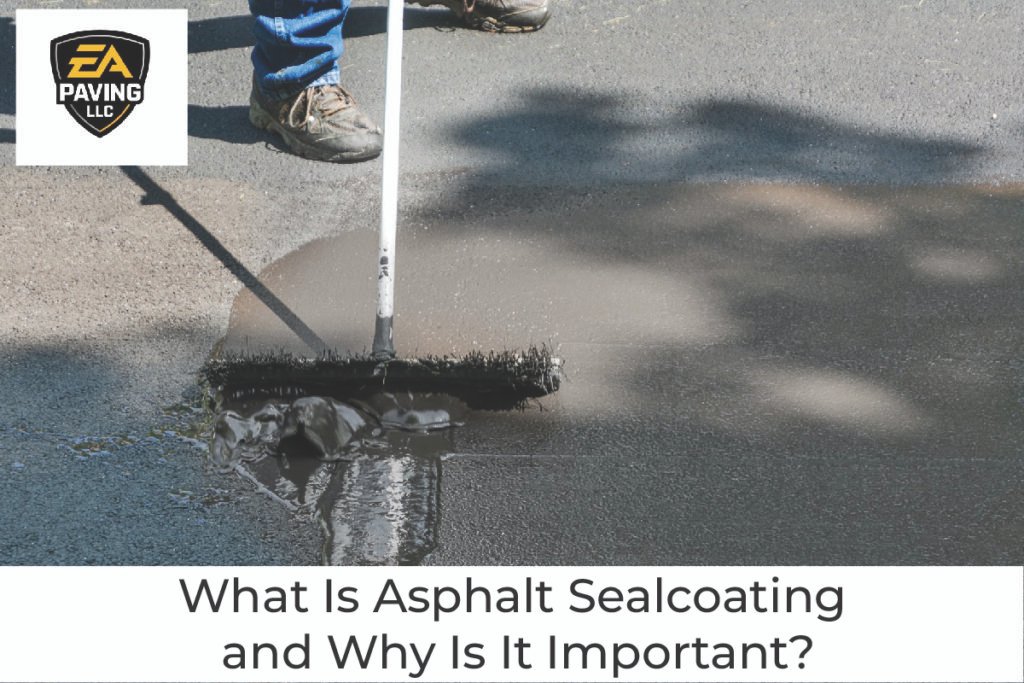
What Is Asphalt Sealcoating?
Asphalt sealcoating is the application of a protective liquid coating over an asphalt surface. Once applied and cured, the sealcoat forms a barrier that shields the pavement from harmful elements, including sunlight, water, oil, and chemicals.
Sealcoating is commonly used on:
- Residential driveways
- Commercial parking lots
- Private roads
- Asphalt walkways
The sealcoat material is typically spread using squeegees, brushes, or spray systems, creating a smooth, uniform layer that bonds to the asphalt surface.
Think of sealcoating as sunscreen for your asphalt—it doesn’t fix major damage, but it protects against future deterioration.
Why Asphalt Needs Protection
Asphalt is durable, but it is not indestructible. Over time, unprotected asphalt begins to break down due to several key factors:
UV Rays & Oxidation
Sun exposure dries out the asphalt binder, making the surface brittle. This leads to fading, surface cracks, and loss of flexibility.
Water Penetration
Water seeps into small cracks and weakens the base beneath the asphalt. Over time, this causes potholes, heaving, and structural failure.
Oil & Chemical Damage
Vehicle fluids, such as oil, gasoline, and antifreeze, break down asphalt and soften the surface, accelerating damage.
Traffic & Wear
Repeated vehicle traffic slowly wears away the asphalt surface, especially in high-use areas.
Sealcoating creates a protective barrier that slows all of these damage processes.
Benefits of Asphalt Sealcoating
1. Extends the Life of Your Asphalt
Sealcoating reduces oxidation and prevents moisture penetration, helping asphalt last years longer than unsealed pavement.
2. Protects Against Water & Weather
By sealing surface pores, sealcoating minimizes water intrusion that leads to cracking, potholes, and base erosion.
3. Shields Against Oil and Chemicals
Sealcoat resists petroleum spills, preventing them from soaking into and weakening the asphalt.
4. Improves Appearance
Sealcoating restores asphalt’s rich black finish, instantly boosting curb appeal and giving properties a well-maintained look.
5. Saves Money Long-Term
Routine sealcoating is far more affordable than major repairs or full asphalt replacement, making it a smart long-term investment.
When Should You Sealcoat Asphalt?
Timing is critical for effective sealcoating.
- New asphalt: Wait about 3–6 months for proper curing before sealcoating
- Existing asphalt: Sealcoat every 2–3 years, depending on traffic and weather conditions
Sealcoating should be applied during dry weather with moderate temperatures to ensure proper curing.
⚠️ Important: Large cracks and potholes should be repaired before sealcoating for best results.
Sealcoating vs Asphalt Repairs
It’s important to understand what sealcoating can and cannot do:
Sealcoating CAN:
- Protect asphalt from future damage
- Improve appearance
- Slow cracking and oxidation
Sealcoating CANNOT:
- Fix deep cracks
- Repair potholes
- Correct structural failure
For damaged pavement, crack filling or asphalt patching should be completed before sealcoating.
How Asphalt Sealcoating Is Applied
A professional sealcoating process typically includes:
- Cleaning the surface thoroughly
- Filling cracks and patching minor damage
- Applying sealcoat evenly
- Allowing proper curing time (24–48 hours)
Professional application ensures even coverage, proper thickness, and long-lasting results.
Final Thoughts
Asphalt sealcoating is one of the most effective ways to protect your driveway or parking lot, reduce long-term maintenance costs, and keep your pavement looking great. Whether for a residential driveway or a commercial property, routine sealcoating is a smart, proactive investment.
If you want to protect your asphalt and extend its lifespan, working with a professional paving contractor ensures the best results.
FAQs
How long does asphalt sealcoating take to dry?
Sealcoating usually dries within 24–48 hours, depending on weather conditions.
Is sealcoating worth it?
Yes. Sealcoating helps prevent costly repairs, improves appearance, and significantly extends asphalt lifespan.
How often should a driveway be sealcoated?
Most driveways should be sealcoated every 2–3 years.
Can old asphalt be sealcoated?
Yes, as long as the asphalt is structurally sound and cracks are repaired beforehand.
Does sealcoating fix cracks?
No. Sealcoating prevents cracks but does not repair existing structural damage.