
If you’re looking to give your asphalt driveway a fresh, long-lasting look, preparing it for seal coating is key. Sealcoating not only enhances your home’s curb appeal but also protects your driveway from harsh elements—sun damage, water infiltration, and everyday wear and tear. However, before you dive into the sealcoating process, a little preparation goes a long way. Skipping these steps could lead to uneven surfaces, peeling, or even damage to your driveway.
Getting your driveway ready might seem like a chore, but with the proper guidance and tools, it’s a straightforward task that can save you money and extend the life of your asphalt. Whether you’re planning to apply the best driveway sealant yourself or hire professionals, knowing what to do before sealcoating ensures a smooth, durable finish. Let’s walk through the essential steps to make your driveway ready for a flawless sealcoat.
Inspect Your Driveway Thoroughly
Before you start any work, it’s essential to inspect your driveway for cracks, potholes, or other damage. Small cracks can be repaired using a crack filler, while larger potholes may require patching with asphalt. Addressing these issues before sealcoating ensures a uniform surface and prevents future damage from worsening.
Take your time walking the entire driveway, looking for areas where water pools or where the asphalt appears worn. Repairing these spots is essential because sealcoating a damaged surface won’t last long. For additional professional tips on asphalt driveway seal coating, you can visit EA Paving.
Clean the Surface Completely
A clean driveway is crucial for a successful sealcoating application. Sweep away leaves, dirt, and debris with a broom or use a leaf blower for faster results. For stubborn stains, such as oil or grease, apply a degreaser or use a pressure washer to ensure the surface is spotless.
Any residue left on the driveway can prevent the sealant from adhering properly, causing peeling or patchy areas. By cleaning thoroughly, you’re setting the stage for a professional-looking finish that lasts longer. Remember, preparation is half the job!
Repair Cracks and Potholes
Even minor cracks can cause problems if left untreated. Use a high-quality crack filler or patching compound to fill gaps in the asphalt. Smooth out the surface with a trowel or putty knife, ensuring it is level with the surrounding driveway.
For deeper potholes, remove loose debris, fill the area with fresh asphalt, and compact it using a tamper. Proper repair work prevents water from seeping into cracks, protecting your driveway and enhancing the effectiveness of driveway sealcoat.
Edge the Driveway for a Clean Finish
Edging your driveway not only improves its appearance but also helps the sealant adhere better to the sides. Trim grass and weeds along the edges using a string trimmer or lawn edger. This step ensures a neat, professional finish and prevents overgrowth from compromising the sealcoat.
A well-edged driveway allows for even application of driveway sealant, reducing the chances of uneven lines or missed spots. For comprehensive driveway sealing services, consider EA Paving.
Protect Surrounding Areas
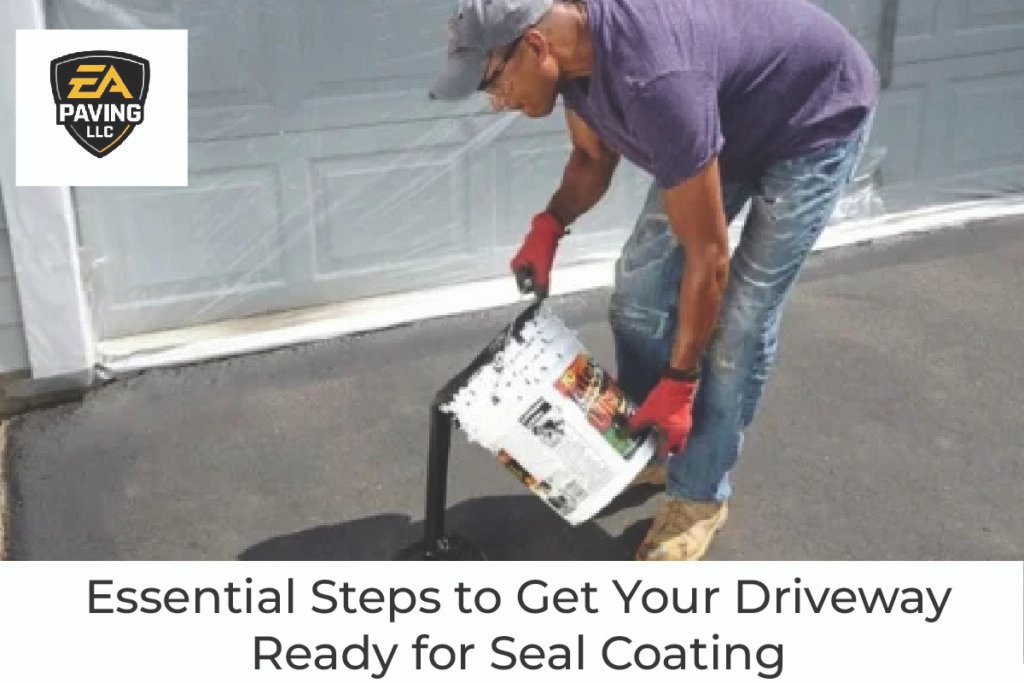
Sealcoating can be messy, so it’s wise to protect nearby landscaping, vehicles, and structures. Lay down plastic sheeting or tarps over plants, garage doors, and other sensitive areas. Masking tape along the edges can help achieve clean lines and prevent the sealant from spreading where it’s not needed.
Taking these precautions not only safeguards your property but also makes the cleanup process much easier after applying asphalt seal coating. A little preparation goes a long way in achieving professional results.
Choose the Right Sealant
Selecting the best driveway sealant is essential for a durable, high-quality finish. There are various options available, from water-based to coal tar sealers, each with its own advantages. Consult a professional or research the best choice for your climate and driveway type.
Using high-quality materials ensures the sealcoat adheres well and provides long-lasting protection. For expert recommendations on asphalt driveway seal coating, check out EA Paving.
Apply the Sealcoat Correctly
Application is where preparation meets execution. Use a squeegee or brush to spread the sealant evenly across the driveway. Work in sections, moving from one end to the other, to avoid streaks or pooling.
Allow sufficient drying time between coats if a second layer is recommended. A properly applied sealcoat enhances your driveway’s durability and gives it a sleek, black finish that boosts curb appeal.
Allow Proper Curing Time
Once the sealcoat is applied, patience is key. Keep vehicles off the driveway for at least 24–48 hours, depending on weather conditions and the type of sealant used. Avoid heavy foot traffic during this period to prevent marks or damage.
Proper curing ensures the sealant bonds with the asphalt, providing long-lasting protection. Following this step carefully is crucial for achieving the full benefits of driveway seal coating.
Maintain Your Driveway Regularly
Even after a perfect sealcoat, regular maintenance is necessary to prolong its life. Sweep away debris, remove stains promptly, and inspect the surface for new cracks or damage. Periodic touch-ups can extend the lifespan of your sealcoat and keep your driveway looking fresh.
Routine maintenance also allows you to spot issues early, preventing costly repairs in the future. Partnering with professional driveway sealing services can simplify this process and ensure optimal results.
Final Thoughts
Preparing your driveway for seal coating may require effort, but it’s worth every minute. From cleaning and repairs to proper sealant application and curing, each step contributes to a long-lasting, visually appealing driveway. Following these essential steps ensures your investment is protected, enhances curb appeal, and provides a durable surface that can withstand the elements for years to come.
For professional assistance, visit EA Paving for expert driveway sealcoating services that guarantee a flawless finish and long-lasting protection.
FAQs
Q: How often should I sealcoat my driveway?
A: Typically, sealcoating is recommended every 2–3 years, depending on traffic and weather conditions.
Q: Can I sealcoat my driveway myself?
A: Yes, DIY sealcoating is possible, but hiring professionals ensures an even application and better results.
Q: How long does sealcoat take to dry?
A: Drying time can range from 24–48 hours, depending on weather and sealant type.
Q: What is the best sealant for asphalt driveways?
A: High-quality coal tar or asphalt-based sealants are generally considered the best for durability and appearance.
Q: Do I need to repair cracks before sealcoating?
A: Absolutely. Repairing cracks and potholes is crucial to prevent water damage and ensure a smooth finish.
Q: Will sealcoating prevent all driveway damage?
A: While sealcoating offers protection against weather and wear, proper maintenance and repairs are still necessary to extend the life of your driveway.