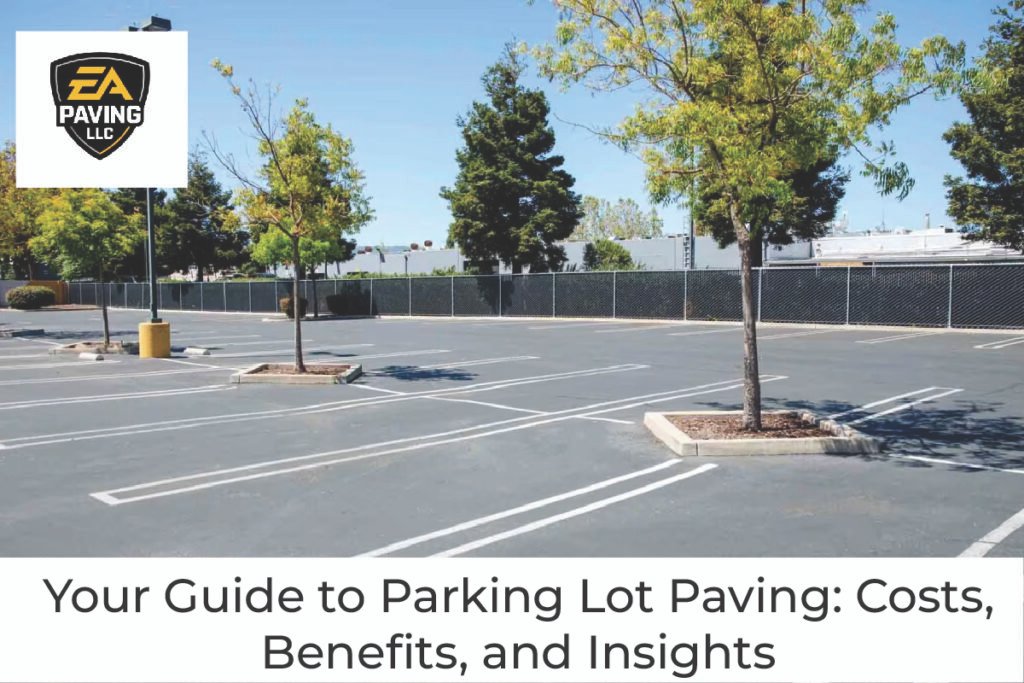
A well-designed parking lot is more than a place to park cars—it’s an essential part of your property’s first impression. Whether you run a retail plaza, office building, gas station, or any commercial space, your parking lot tells customers a lot about your business long before they walk through the door. Smooth pavement, fresh striping, and clean edges can instantly upgrade the look and functionality of your property. That’s why understanding parking lot paving—from costs and materials to long-term maintenance—matters more than most people realize. This guide breaks everything down in a simple, friendly tone without sacrificing the professional insight you need to make the right decisions.
Why Parking Lot Paving Matters More Than You Think
A strong, well-constructed asphalt parking lot adds value, safety, and durability to your property. It supports heavy traffic, withstands weather changes, and creates a clean, organized environment.
Businesses across the U.S. invest in commercial parking lot paving to reduce long-term repair costs, improve customer flow, and enhance curb appeal. When done correctly, a paved surface can last decades with routine care.
However, ignoring cracks, drainage issues, or surface wear can lead to expensive structural damage. That’s why choosing the right materials, contractors, and maintenance plan is essential for long-term savings.
Understanding the True Costs of Parking Lot Paving
The cost of paving depends on several factors, and having a realistic budget helps you avoid surprises.
Prices vary based on lot size, soil condition, asphalt thickness, labor, and additional features such as parking lot striping or lighting upgrades.
On average, a blacktop parking lot costs less than a concrete one, making it the popular choice for commercial properties. Asphalt is also faster to install and easier to repair, saving you downtime.
If your existing pavement is severely damaged, you may need to resurface your parking lot or even replace it. Resurfacing costs less than reconstruction, but both require a professional evaluation to determine the best approach.
For accurate estimates, experienced contractors like EA Paving LLC offer inspections and transparent pricing for all types of commercial paving projects.
Key Benefits of Investing in Professional Parking Lot Paving
Enhanced Curb Appeal
First impressions matter. A clean, smooth asphalt surface instantly upgrades your property’s look. Customers feel more comfortable, and businesses project professionalism.
Better Safety and Traffic Flow
Clear pathways, well-defined lanes, and crisp parking lot striping make navigation easier. This reduces accidents, improves organization, and keeps pedestrians safe.
Long-Term Durability
A properly paved asphalt lot can last 20–30 years with routine care. High-quality materials and skilled installation dramatically increase lifespan, especially when combined with parking lot maintenance strategies like crack sealing and sealcoating.
Parking Lot Paving Process: What Really Happens
Understanding the paving process helps you know what to expect from your contractor. A well-executed project follows a series of essential steps.
Site Assessment and Preparation
Professionals begin by inspecting drainage, soil stability, and existing pavement. These factors determine whether the lot needs milling, resurfacing, or full replacement.
Once the plan is set, the site is cleared. Old asphalt may be removed, areas are leveled, and the base is prepared for installation.
Base Installation and Compaction
A strong base is the most essential part of the entire project.
Contractors install a thick layer of crushed rock or gravel and compact it to create a solid foundation. Without this step, even the best asphalt won’t last.
Asphalt Installation
Hot asphalt is poured, spread, and compacted in layers. This is where experienced parking lot paving contractors make all the difference. Thickness, temperature control, and timing all determine how well the new surface performs.
Finishing Touches
After the asphalt cools and cures, the final steps include:
- Parking lot striping
- Installing wheel stops
- Designing accessible parking
- Adding signage
- Marking loading or fire zones
Companies like EA Paving LLC provide full-service solutions for commercial paving and finishing to ensure your lot meets safety and ADA requirements.
When Do You Need Parking Lot Repair?
Even the highest-quality asphalt eventually shows signs of wear. Knowing when to seek parking lot repair can save you thousands.
Cracks and Surface Wear
Small cracks allow water to seep in, weakening the foundation. Repairing cracks early prevents potholes and structural damage.
Drainage Problems
Standing water is a significant threat to asphalt. If puddles form regularly, drainage grading may need adjustment.
Alligator Cracking
This web-like pattern signals deeper structural problems and often requires resurfacing.
Parking Lot Resurfacing vs. Replacement: What’s Right for You?
It can be hard to decide whether your lot needs a simple repair, resurfacing, or total reconstruction.
Choose Parking Lot Resurfacing When:
- The base is still strong
- Damage is mainly on the surface.
- You want a fresh, smooth layer of asphalt.
Resurfacing costs significantly less than replacement and gives your lot a new look.
Choose Replacement When:
- The base is failing
- Drainage issues are severe.
- Potholes keep reappearing
- The surface is over 20–25 years old.
A complete rebuild ensures long-term reliability and safety.
Parking Lot Sealcoating: A Must-Have for Protection
Sealcoating is one of the best ways to extend the life of your pavement.
It protects your asphalt from UV rays, water, chemicals, and aging. Think of it like sunscreen for your parking lot.
Why Sealcoating Matters
Regular parking lot sealcoating:
- Slows down oxidation
- Protects the surface from oil and gas spills
- Restores the rich black color of asphalt
- Enhances durability
Most lots benefit from sealcoating every 2–3 years, depending on usage and weather conditions.
Essential Parking Lot Maintenance Tips
Taking care of your pavement can double its lifespan.
Routine Cleaning
Debris buildup traps moisture and damages asphalt. Sweeping regularly helps maintain a clean, safe surface.
Crack Filling and Patch Repair
Addressing issues early prevents structural damage and keeps the lot looking professional.
Fresh Striping
Traffic lines fade over time. Updating your parking lot striping improves safety and compliance with ADA regulations.
By partnering with reliable companies like EA Paving LLC, you can keep your parking lot in top condition year-round.
Final Thoughts
Investing in professional parking lot paving is one of the best decisions you can make for your business. Not only does it improve appearance and functionality, but it also provides long-lasting value and safety. When paired with proper maintenance, such as coating, crack repair, and resurfacing, our asphalt can perform reliably for decades.
Whether you’re upgrading an existing lot or building a new one, experienced parking lot paving contractors ensure your property is ready for heavy traffic, harsh weather, and growing customer needs.
FAQs
1. How long does an asphalt parking lot last?
With proper maintenance, most asphalt parking lots last between 20 and 30 years.
2. Is resurfacing cheaper than replacement?
Yes. Resurfacing is more affordable and ideal when the base is still in good condition.
3. How often should I sealcoat my parking lot?
Most professionals recommend sealcoating every 2–3 years for maximum protection.
4. What are the signs my parking lot needs repair?
Cracks, potholes, pooling water, and faded lines are all warning signs.
5. Can I pave my own parking lot?
DIY paving doesn’t provide commercial-grade results. Professional contractors ensure proper durability and safety standards.