
When getting a new driveway or fixing an old one, the first question is: how long will it last? The answer isn’t the same for every driveway. Some last over 30 years, while others start cracking within a decade.
The difference usually comes down to the material used, how it was installed, and how well it’s maintained. EA Paving has worked with many homeowners who either got decades out of their driveway or had to replace it much sooner than expected. Knowing what affects lifespan helps you make better decisions from the start.
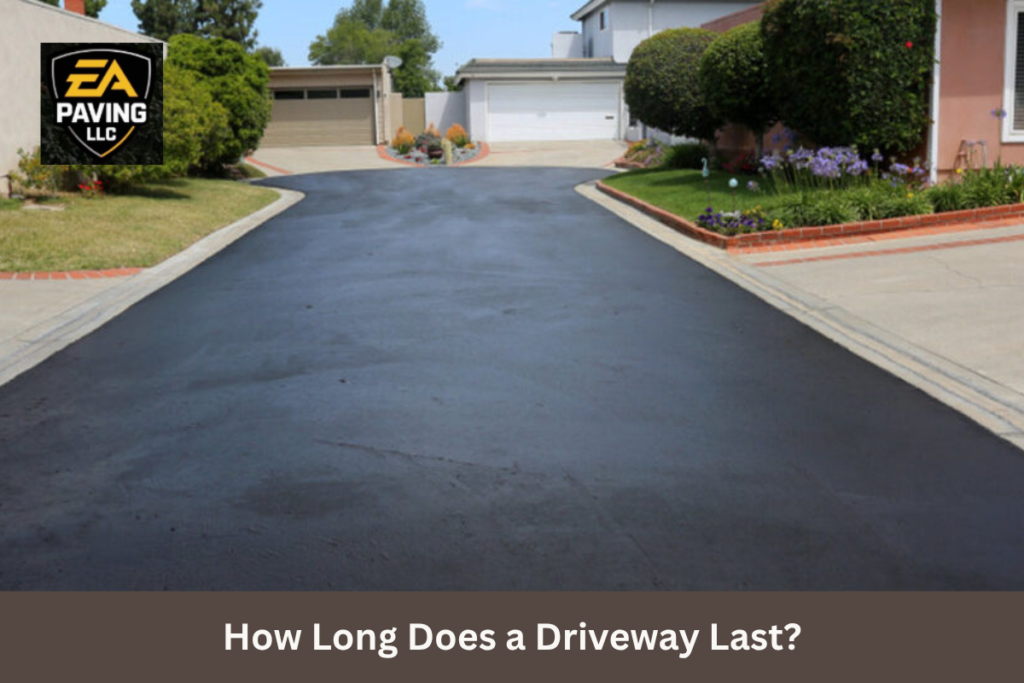
Average Lifespan of Different Driveway Types
Different materials have unique lifespans. Choosing the right one depends on your budget, usage, and expectations.
Asphalt Driveways
Asphalt is one of the most common choices for residential driveways.
- Typically lasts around 15–20 years
- Can reach 20–30 years with proper care
- Requires regular sealing and minor repairs
Asphalt is flexible, which helps it handle temperature changes better, but it needs consistent maintenance to last longer.
H3: Concrete Driveways
Concrete is known for its strength and durability.
- Usually lasts 30–40 years
- Handles heavy loads better than asphalt
- Requires less frequent maintenance
However, concrete can crack in extreme weather, especially if not installed properly.
Gravel Driveways
Gravel is the most budget-friendly option but requires ongoing upkeep.
- Typically lasts 5–10 years before major rework
- Needs regular leveling and refilling
- Good drainage but less stable surface
Paver Driveways
Pavers are durable and visually appealing.
- Can last 25–50 years
- Individual pieces can be replaced easily
- Higher upfront cost
What Affects How Long Your Driveway Lasts
Even the best material won’t last if certain factors are ignored.
1. Installation Quality
A driveway is only as strong as its foundation. Proper base preparation, grading, and compaction are essential.
If the base is weak:
- The surface may sink
- Cracks appear earlier
- Lifespan is significantly reduced
Poor installation is one of the main reasons driveways fail early.
2. Climate and Weather Conditions
Weather plays a major role in how long a driveway lasts.
- Heat can soften asphalt.
- Cold weather causes expansion and contraction
- Freeze-thaw cycles lead to cracking
Driveways in extreme climates usually wear out faster than those in mild conditions.
3. Drainage
Water is one of the biggest threats to any driveway.
- Standing water weakens the base.
- Moisture causes cracks to spread
- Poor drainage shortens lifespan
A properly sloped driveway helps prevent these issues.
4. Traffic and Usage
How you use your driveway matters more than you think.
- Light residential use extends lifespan.
- Heavy vehicles cause stress and damage
- Repeated pressure leads to cracks
Driveways designed for cars may not handle trucks or heavy loads well.
5. Maintenance Routine
Regular maintenance can add years to your driveway’s life.
- Seal coating protects asphalt from damage.
- Crack repairs prevent water entry
- Cleaning removes harmful debris
Without maintenance, even a well-built driveway can fail early.
Signs Your Driveway Is Reaching the End
No driveway lasts forever. Knowing when yours is nearing the end can help you plan.
- Widespread cracking across the surface
- Potholes forming repeatedly
- Uneven or sunken areas
- Water is pooling in multiple spots
- The surface is becoming rough and brittle
These signs indicate that repairs may no longer be enough.
Can You Extend the Life of Your Driveway?
Yes, and this area is where many homeowners make a big difference. A little care can add several years to your driveway’s lifespan.
- Apply seal coating every few years (for asphalt)
- Repair cracks as soon as they appear
- Keep water from pooling on the surface
- Avoid parking heavy vehicles in the same spot
- Clean oil and chemical spills quickly
These steps help protect the surface and prevent more serious damage.
Asphalt vs Concrete: Which Lasts Longer?
This is one of the most common comparisons homeowners make.
- Concrete lasts longer (30–40 years)
- Asphalt lasts less (15–20 years on average)
- Asphalt is more flexible and easier to repair
- Concrete is stronger, but can be more expensive to fix
The right choice depends on your priorities—whether you value lower upfront cost or longer lifespan.
When to Repair vs Replace
No damage requires a full replacement.
You may only need repairs if:
- Cracks are small and limited
- The base is still stable
- Damage is not widespread
Replacement is usually needed when:
- Large areas are cracked or broken
- The surface is uneven or sinking
- Repairs keep failing
EA Paving can assess your driveway and recommend the right approach based on its condition.
Why Professional Installation Matters
Many lifespan issues start from day one. A properly installed driveway lasts much longer than one done in a hurry.
EA Paving focuses on:
- Strong base preparation
- Proper thickness of materials
- Correct grading for drainage
- Careful finishing for durability
This attention to detail helps homeowners avoid early repairs and get the most out of their investment.
Conclusion
So, how long does a driveway last? It depends on the material, installation, and how well it’s maintained. Asphalt driveways typically last 15–20 years, while concrete can last 30–40 years or more.
But lifespan isn’t just about material—it’s about how you take care of it. Regular maintenance, proper drainage, and early repairs can make a big difference.
If your driveway is showing signs of wear or you’re planning a new one, EA Paving can help you choose the right option and ensure it lasts as long as possible.
FAQs
An asphalt driveway usually lasts around 15–20 years, but it can last longer with proper maintenance.
Yes, concrete driveways generally last 30–40 years, which is longer than asphalt.
Poor installation, inadequate drainage, heavy traffic, and lack of maintenance are the main factors.
Yes, regular maintenance like sealing, crack repair, and proper drainage can add several years.
When damage is widespread, the surface is uneven, or repairs no longer last, replacement is usually the better option.